
The "15% Discount": Why Bad Roofs Shrink Your Selling Price
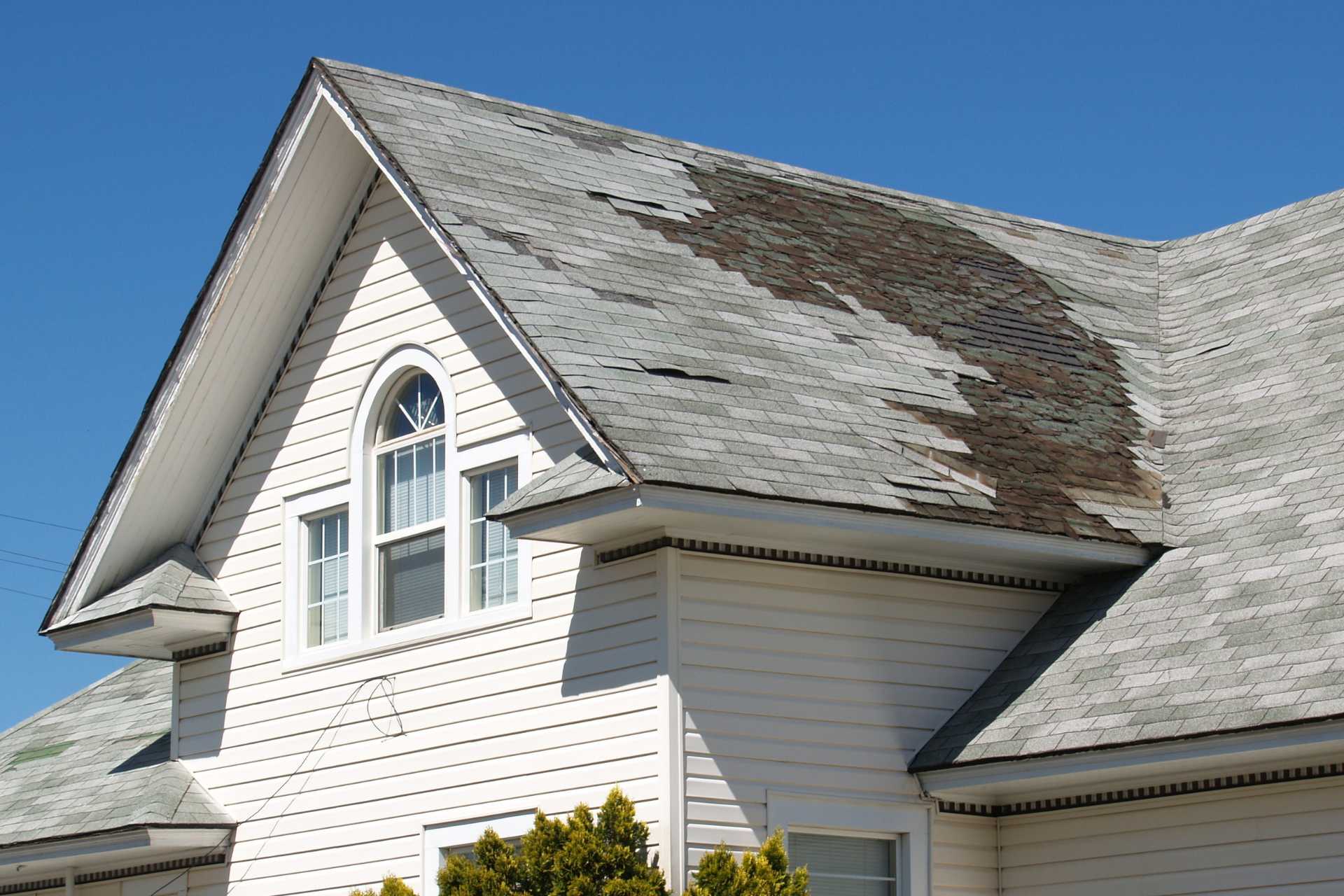
In the Canadian real estate market of 2026, a home's exterior condition serves as a primary indicator of its internal health. When a potential buyer views a property with visible roof damage, they rarely see a simple repair project. Instead, they perceive a significant financial liability and a looming construction headache. Any experienced real estate agent will confirm bad roofs are one of the most aggressive "value killers" in a transaction. Buyers often mentally deduct far more than the actual cost of a replacement to account for the perceived risk of hidden water damage.
For a seller, ignoring a roof in poor condition is rarely a cost-saving measure. While a high-quality installation from a reputable roofing company requires an upfront investment, it protects the home's total equity. Homes with curling shingles, moss growth, or missing tabs often sell for 10% to 15% less than comparable properties in good repair. This "neglect tax" can easily exceed the cost of a new roof. A pre-listing replacement is one of the most strategic financial moves a homeowner can make to ensure they receive top market value.
The Psychology of the "Hassle Tax"
Buyers in 2026 are looking for move-in-ready homes. High interest rates and rising living costs leave little appetite for major renovations immediately after closing. When a buyer encounters a roof that needs work, they apply what professionals call a "hassle tax." This is an emotional and financial buffer added to their offer. It compensates for the stress of managing a construction project during a move.
If a professional quote for a new roof is $15,000, a buyer may demand a $25,000 price reduction. They factor in the time taken off work and the potential mess in the yard. They also fear that a leak has already compromised the attic insulation. By addressing the roof before the house hits the market, a seller removes this psychological barrier. It shifts the narrative from "this house is a project" to "this house is a turnkey investment." The peace of mind offered by a new roof allows buyers to bid with confidence.
Appraisal Gaps and Financing Hurdles
A bad roof does more than just lower the offer price. It can stall the entire legal transfer of the property. In 2026, Canadian appraisers are increasingly strict about "remaining useful life." If a roof is determined to be at the end of its functional lifespan, an appraiser may value the home significantly lower than the agreed-upon contract price. This creates an "appraisal gap" that the buyer must cover in cash.
Furthermore, many lenders now refuse to fund mortgages for homes with roofs that have less than two or three years of life remaining. If a buyer cannot secure a mortgage because of the roof's condition, the deal will collapse. Sellers often find themselves back at square one. They are left with a "stigmatized" listing that has been sitting on the market. Ensuring the roof is in top condition is a mandatory step to guarantee that the buyer's financing remains secure. It protects the seller from the volatility of a falling deal.
The Risk of Predatory Low-Ball Offers
A house with a visible "red flag," like a failing roof, attracts a specific type of buyer. This is often an investor looking for a bargain. When a roof looks neglected, traditional families often walk away. This leaves only "bottom-fishers" who specialize in purchasing distressed properties. These buyers use the roof as a primary lever to drive the price down even further than the 15% average.
A clean, high-quality roof signals that the owner has been a responsible steward of the property. It attracts the "highest and best" offers from buyers who are willing to pay a premium for a well-maintained home. In a competitive market, multiple families bidding against each other is the ideal scenario. You do not want a single investor trying to capitalize on your deferred maintenance. A new roof is the ultimate signal of quality that keeps the "low-ballers" at bay. It forces buyers to compete on the merits of the home's beauty and location rather than its flaws.
Secondary Damage: The Hidden Value Erosion
A failing roof is rarely an isolated problem. By the time shingles are visibly curling, water has often begun to penetrate the secondary barriers. This leads to saturated insulation, rotted roof decking, and mould growth in the attic. These are "latent defects" that a home inspector will inevitably find. Once mould is mentioned in an inspection report, the home's value can plummet. The costs of remediation are often much higher than the cost of the roof itself.
Fixing the roof before these secondary issues occur preserves the home's core value. It prevents a small repair from turning into a massive structural remediation project. Sellers who wait until they are under contract to address roof issues often find themselves at a disadvantage. They are forced to pay for both the roof and the resulting interior damage just to keep the deal alive. This reactive approach is almost always more expensive than proactive maintenance. Protecting the attic space is synonymous with protecting the home's equity.
Insurance Ineligibility: The New "Deal-Killer"
In 2026, the insurance market has become a major gatekeeper in real estate. Many Canadian insurers will now refuse to issue new policies on homes with asphalt shingle roofs older than 15 years. Because a buyer cannot get a mortgage without home insurance, an old roof makes the home "un-mortgageable" for the average person. This is a cold reality that many sellers do not realize until it is too late.
This shift has made roof condition a non-negotiable factor in many sales. If the roof is too old, the buyer pool shrinks to cash-only purchasers. These buyers naturally demand a steeper discount. Proactively replacing a roof ensures the home is "insurable." This opens the door to the largest possible pool of buyers. High demand is what ultimately drives the final sale price to its highest potential. In the current market, insurability is just as important as curb appeal.
The "New Roof" Marketing Advantage
In a sea of listings, a new roof is a powerful marketing tool. It allows a real estate agent to use keywords like "worry-free," "upgraded," and "fully renovated exterior." These phrases catch the eye of buyers who have been exhausted by bidding wars on homes that require immediate work. A new roof stands out in the "Property Features" section as a clear financial benefit. It is one of the few upgrades that offers a 1:1 psychological return.
Beyond the text, the visual impact is undeniable. The roof accounts for up to 40% of a home's visible exterior. A fresh set of architectural shingles or a sleek metal roof dramatically improves the "curb appeal" in listing photos. High-resolution drone photography is standard in 2026. If the roof looks stained or patchy from above, buyers may never even book a viewing. A quality roof makes the entire house look newer and better maintained.
Protecting Your Greatest Asset
The roof is the most important structural element of a home’s exterior. In 2026, its condition is a direct reflection of the property's overall worth. While it is tempting to list a home "as-is" to avoid the cost of a replacement, the financial data suggests this is a mistake. A bad roof invites low offers, appraisal issues, and insurance hurdles that can cost a seller tens of thousands of dollars in lost equity.
By investing in a quality roof before listing, you are not just buying shingles; you are buying a smoother transaction. You protect yourself from the "15% discount" and ensure that your home stands out as a premium, worry-free option. Cautious buyers in today's market will pay for security. Start at the top to ensure your home equity stays right where it belongs. A strong roof is the foundation of a successful sale.


Cold Rooms, High Heating Bills: How Windows and Furnaces Work Against Each Other in Winter
The peak of a Canadian winter often reveals a frustrating paradox: the furnace is roaring, yet the living room remains uncomfortably chilly. Homeowners frequently find themselves in a constant battle with the thermostat, pushing the temperature higher only to see their utility bills skyrocket. This situation often leads to a frantic search for furnace repair services under the assumption that the heating system is failing or undersized. However, the real culprit is rarely the mechanical equipment itself. Instead, the issue typically lies in a compromised building envelope that allows heat to escape faster than the system can produce it. When the protective shell of the home fails, even the most advanced HVAC system cannot maintain consistent comfort. In many cases, a strategic window replacement or improved attic sealing provides a more effective solution than upgrading the heater.
A house functions as a unified pressurized system where the "skin" of the building must retain what the "lungs" of the building provide. When windows leak air or the roof lacks sufficient insulation, the home loses its thermal stability, leading to persistent cold rooms. This thermal tug-of-war forces the furnace to work against the house rather than with it. Understanding how heat moves through a structure is the first step toward ending the cycle of wasted energy and physical discomfort. By shifting the focus from heat production to heat retention, property owners can restore balance to their indoor environment. This blog explores why the interaction between windows, roofs, and furnaces determines whether a home is a cozy sanctuary or a costly energy drain. Taking a holistic approach to home maintenance ensures that the furnace finally gets a break while the family stays warm.
The Furnace Cycle: Fighting a Losing Battle
When a home has a weak thermal envelope, the furnace is forced into a state of perpetual overwork. Most modern heating systems are designed to reach a target temperature and then shut off, allowing the home's insulation to maintain that warmth. However, if heat escapes through leaky windows or a poorly insulated attic, the indoor temperature drops almost immediately after the furnace stops. This triggers the thermostat to call for heat again, leading to a phenomenon known as "short-cycling." Instead of running in long, efficient cycles, the system starts and stops constantly, which is the most expensive way to operate a heater. This relentless demand for heat is a primary driver behind the high energy bills seen in many Canadian households.
This constant cycling does more than just drain the bank account; it also causes significant mechanical strain on the equipment. Every time a furnace starts, it undergoes thermal expansion and mechanical stress that slowly wear down internal components. Over time, this results in more frequent breakdowns and a shorter overall lifespan for the unit. Homeowners often mistake this equipment fatigue for a lack of heating capacity. In reality, the furnace is simply exhausted from trying to heat the outdoors. By sealing the building envelope, the furnace can finally operate in its intended "steady state," which improves efficiency and extends the life of the system. Reducing the load on the mechanical "lungs" of the home starts with fixing the structural "skin."
Window Infiltration: The Invisible Cold Front
Windows are often the most significant weak point in a home’s defensive line against the winter. Even when closed, inefficient windows create a localized weather system within a room through a process called convection. As warm air from the furnace touches the cold glass, it cools rapidly, becomes denser, and sinks toward the floor. This creates a constant downward current of chilly air that feels like a breeze, even if the window is technically airtight. These convection currents are a major reason why cold rooms persist despite the heating system being active. Without high-performance glass to slow this heat transfer, the room remains in a state of thermal flux.
Physical air infiltration introduces freezing outdoor air through worn-out seals or window frame gaps. This cold air disrupts the room's pressure balance. It forces the furnace to work harder to compensate for the diluted warmth. Canadian winters are particularly harsh on window sealants. Constant freeze-thaw cycles cause materials to expand, contract, and eventually crack. A window fails its primary job if a homeowner feels a draft or sees frost on the interior frame. Addressing these leaks is essential for stabilizing the indoor climate. It ensures the furnace's output stays inside where it belongs.
The "Stack Effect": Why Heat Heads for the Roof
The physics of a Canadian winter creates a phenomenon known as the "stack effect," which acts like a giant vacuum for the home's warmth. Because warm air is lighter and more buoyant than cold air, it naturally rises toward the highest points of the house. If there are gaps in the attic hatch, light fixtures, or the roof itself, this expensive, heated air escapes into the atmosphere. This upward movement creates a pressure imbalance that "sucks" freezing air in through the lower levels and around windows. This cycle ensures that even if the upstairs is sweltering, the lower levels suffer from persistent cold rooms.
Managing the stack effect requires a tight seal at both the top and the bottom of the structure. If the roof is not properly air-sealed and insulated, the house will continue to pull cold air in through every available crack near the ground. This constant exchange of air means the furnace is never heating the same air twice; it is constantly trying to warm up fresh, freezing air from the outside. This is a losing battle that results in massive energy waste and a furnace that never reaches its shut-off point. Understanding this pressure dynamic helps homeowners realize that a cold basement or living room is often caused by a "leaky" attic.
The Roof Connection: Your Home’s Missing Hat
The roof is essentially the "hat" of the home, and just like a person loses the most body heat through their head, a house loses the most energy through an uninsulated roof. In many older Canadian homes, attic insulation has settled or degraded over time, leaving the structure vulnerable to the elements. When the roof fails to provide a thermal barrier, the furnace effectively tries to heat the entire neighbourhood. This lack of a "thermal cap" is a leading cause of uneven temperatures and contributes to the formation of ice dams, which can further damage the roofing system. A house with a leaky roof is simply incapable of maintaining a consistent indoor climate.
Heat escapes through the roof when insulation fails. The HVAC system then runs harder and longer to compensate. This waste drives up monthly gas and electricity bills. It also causes significant discomfort in rooms directly below the attic. These cold rooms exist because outside air chills the ceiling surfaces. This creates a radiant cooling effect. Consequently, the interior feels much colder than the thermostat indicates. Maintaining the correct R-value for the local climate is essential. It is one of the most effective ways to support your furnace. A well-insulated roof keeps warmth where it belongs. This protection prevents the mechanical system from overworking.
Restoring the Balance: A Holistic Strategy
Achieving true winter comfort requires moving away from a "furnace-only" mindset and adopting a holistic view of the building. Investing in a high-efficiency furnace is a great step, but its performance is limited by the quality of the house it serves. If a homeowner is choosing between a more powerful heater and better windows, the better windows often provide a higher Return on Investment (ROI). Strengthening the building envelope allows the existing heating system to perform better than it ever could in a leaky house. By focusing on the envelope first, the homeowner creates a stable environment that reduces the overall demand on the mechanical equipment.
The synergy between a tight envelope and a well-maintained furnace creates a home that is both comfortable and resilient. When the windows are sealed and the roof is insulated, the furnace only needs to run occasionally to maintain the desired temperature. This leads to quieter operation, fewer mechanical failures, and a significant reduction in the environmental footprint of the home. Ending the problem of cold rooms is not about having the biggest heater on the block; it is about having the smartest structure. A balanced home allows occupants to enjoy the Canadian winter from a position of warmth and efficiency, knowing that their energy dollars are being used wisely.
A Bigger Furnace in a Leaky House is Like a Faster Treadmill—You’re Working Harder, but You Aren’t Getting Anywhere Warm!
Winter comfort results from a partnership between heat production and heat retention. The homeowner loses money and peace of mind when the furnace and building envelope clash. You can stop this thermal tug-of-war by addressing structural gaps in windows and roofs. This creates a truly efficient home. Do not let your furnace struggle through another season of overwork. Listen to what your cold rooms reveal about the home's thermal seal. Take a proactive approach to air sealing and insulation this year. A well-protected home is much easier and cheaper to keep warm. This remains true no matter how low the temperature drops outside.
Best Roofing Materials for Custom Homes in Canada
Canadian climates place extreme demands on a home’s exterior. From relentless winter snow loads and damaging freeze-thaw cycles to heavy coastal rain and high winds, the roofing system is the primary shield protecting the entire structure. For custom home builder projects, the roofing choice moves beyond simple functionality; it requires a sophisticated balance of high-performance engineering and architectural design, especially given the unique design elements often featured in custom properties. The decision is a major financial one, affecting energy efficiency, long-term maintenance costs, and eventual resale value. Therefore, the roofing company selected for the installation must possess specialized knowledge to match the ideal material to the home's specific microclimate and structural design, ensuring the final selection performs reliably and maintains the home's intended visual appeal for decades.
Key Factors to Consider
Climate Resilience, Longevity, and Maintenance
In Canada, climate resilience forms the non-negotiable foundation of any roofing choice. The chosen material must be able to withstand heavy, sustained snow loads without structural compromise and effectively resist the mechanisms that lead to destructive ice dams. Ice dams form when attic heat melts snow, which then refreezes at the cold eaves, often damaging crucial roof flashing in the process. High wind resistance is equally paramount, particularly for properties in exposed regions, preventing shingles or panels from lifting and exposing the underlayment. The correct material choice, installed by a professional, prevents costly mid-season emergencies and ensures the material meets its expected lifespan.
The relationship between longevity and maintenance determines the true long-term cost of ownership. Some materials, like architectural asphalt shingles, offer a lower upfront cost but require shorter replacement cycles (15–30 years) and periodic spot maintenance. Conversely, premium options like slate or metal demand a much higher initial investment but offer vastly extended lifespans—up to 70 or 100 years—with minimal annual upkeep. The homeowner must strategically weigh the initial capital cost against the desire to minimize future maintenance hassles, deciding whether they prefer to pay more now for the "last roof they will ever buy."
Energy Efficiency, Aesthetic Appeal, and Budget
The energy performance of the roof directly impacts the home's overall heating and cooling bills. While proper attic insulation does the heavy lifting, the roof material itself plays a crucial supporting role. Lighter-coloured and reflective materials, such as specific types of metal or synthetic slate, minimize solar heat gain during hot summers. This reduced absorption significantly lowers the home's cooling load. In the winter, the material and underlying vapour barrier prevent unwanted air leakage, ensuring heated air stays within the living space. Choosing a high-performing material enhances the home's thermal envelope and contributes to its long-term operational savings.
For a custom home, the roof is also a significant design element, not just a practical necessity. The material and style must align perfectly with the architectural vision of the custom home builder. A mismatch between the roof and the home's architectural language can undermine the entire design, making the property look disjointed and negatively impacting its perceived quality. Finally, budget decisions must account for the upfront cost versus the long-term savings delivered through efficiency, longevity, and reduced maintenance. Homeowners should utilize cost comparisons, examining material, lifespan, and installed cost per square foot, to make a financially sound choice where systems are designed to last for decades.
Top Roofing Materials for Canadian Custom Homes
Asphalt Shingles
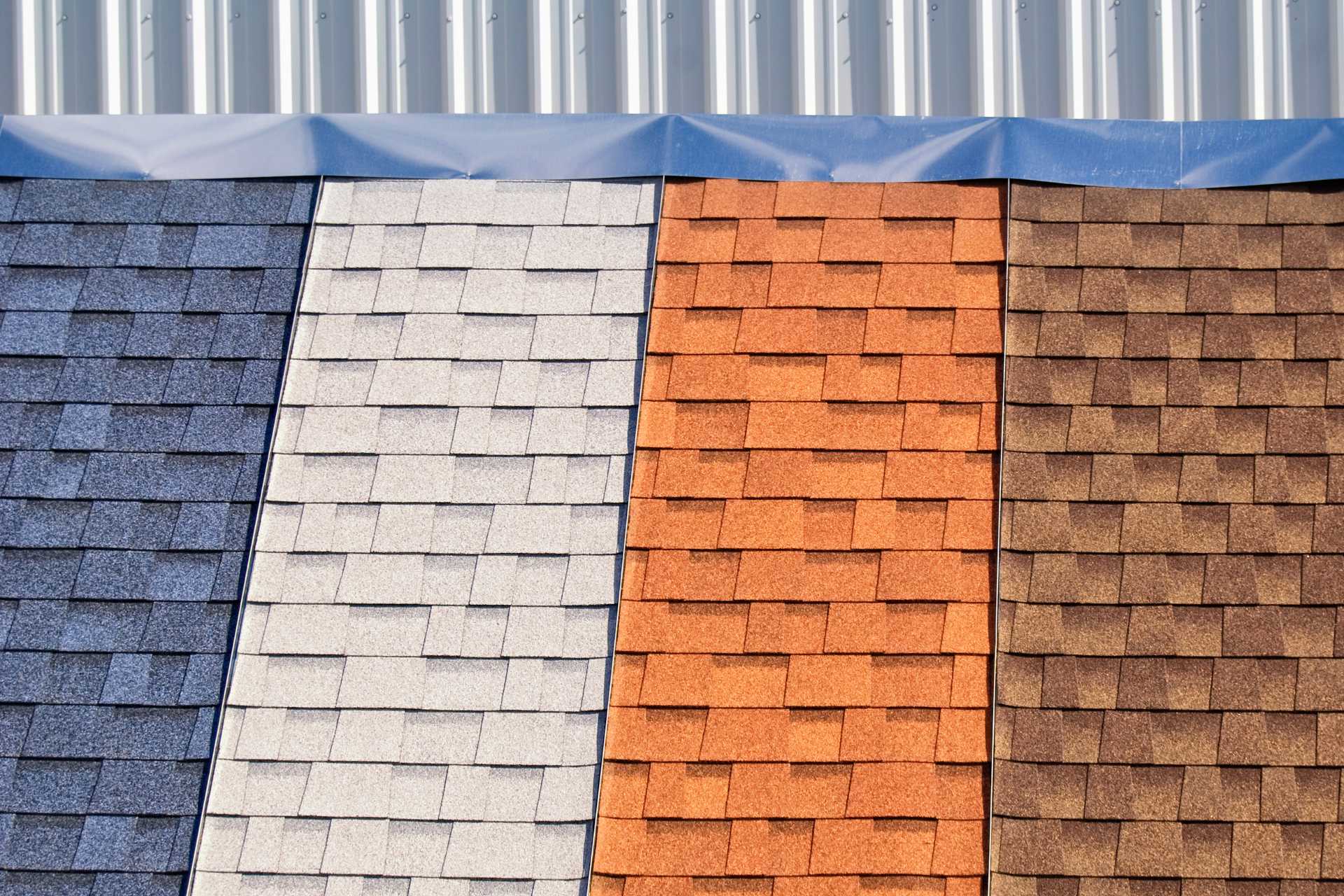
Asphalt shingles remain the most common roofing choice due to their versatility and affordability. They provide a reliable baseline defence against general Canadian weather and are widely available, making repairs simple and cost-effective. Their lifespan typically ranges from 15 to 30 years, depending on the shingle grade (three-tab versus architectural). While they offer good performance in most climates, their granular surface is prone to gradual wear from freeze-thaw cycles and UV exposure, necessitating periodic repair and a shorter replacement cycle compared to other options.
Their shorter life cycle means they are highly susceptible to granule loss and becoming brittle, which often leads to failure at vulnerable points like valleys and the edges of roof flashing. Because they have a lower lifespan, the homeowner must budget for replacement two or three times over the life of the home. This initial affordability must be balanced against the cumulative replacement costs and the inherent vulnerability they possess during severe winter storms.
Metal Roofing
Metal roofing provides exceptional durability and energy efficiency, making it highly suitable for Canadian conditions. Its smooth, hard surface excels at snow-shedding, which is ideal for northern or snowy regions and actively helps mitigate the formation of ice dams. Metal is highly resilient against high winds and resists fire, offering a lifespan that frequently exceeds 40 to 70 years with minimal maintenance. The seamless panel systems minimize leak potential, as they rely less on external sealants than shingles.
While the upfront cost is higher, the material's longevity and performance benefits often provide a superior return on investment. The design of metal systems, such as standing seam, requires careful installation of roof flashing to allow for thermal movement, a detail the roofing company must execute perfectly. This system acts as a reflective barrier, significantly reducing solar heat transfer into the attic, which contributes to lower cooling costs during the summer.
Cedar Shakes and Shingles
Cedar shakes and shingles offer a natural, rustic look that is perfect for custom luxury homes in wooded or coastal areas. The natural oils in cedar resist salt air and moisture, making them excellent in coastal climates. They provide good insulation but require more specialized installation and rigorous maintenance, including periodic treatment, to achieve their 20 to 40-year lifespan. This material choice is often driven primarily by aesthetic preference and the desire for a classic, bespoke exterior.
Cedar requires consistent care. Unlike asphalt, cedar is an organic material, susceptible to moss growth, splitting, and insect damage if not maintained. Proper installation includes specialized underlayment and carefully layered roof flashing systems that account for the material's varying thickness. This means both the upfront cost and the ongoing maintenance requirements are high, making it a choice best suited for homeowners dedicated to the material's specific look and upkeep schedule.
Slate Roofing
Slate stands as the premium, most elegant, and extremely durable roofing material available. It is virtually impervious to the elements, boasting a lifespan of 75 to over 100 years. Its natural density and minimal water absorption make it completely resistant to the freeze-thaw cycle and immune to fire and wind damage. Slate offers superior insulation performance due to its thickness.
However, slate is exceptionally heavy and requires robust structural support for the roof deck and framing, which adds significant complexity and cost to the custom home builder design. Its superior longevity justifies the significant upfront expense, positioning the home for multiple generations of ownership. Though initial installation is costly, the fact that a homeowner will never need a roof replacement again is a major financial selling point, mitigating all future labour and material costs.
Synthetic/Composite Roofing
Synthetic and composite roofing materials are gaining popularity as they expertly mimic the aesthetic appeal of expensive slate or wood while being lighter, more affordable, and exceptionally low-maintenance. These engineered materials are highly resistant to weather, moss, and insect damage and typically offer a lifespan of 30 to 50 years. This option provides a durable, stylish choice for homeowners seeking the look of premium materials without the associated cost, weight, or rigorous maintenance requirements.
The consistency of composite materials ensures a uniform appearance that does not fade or split, eliminating a major maintenance headache. Furthermore, their light weight means they can often be installed on existing roof structures without requiring the extensive framing reinforcement needed for slate. The precise, consistent dimensions of composite materials also make the integration of roof flashing and seals simpler and more reliable than with natural, irregular materials.
Regional Considerations
Regional climatic variations are crucial when finalizing a material selection. Coastal Canada, facing high winds and salt air, often benefits from the natural resistance of cedar shakes or durable, corrosion-resistant coated metal roofing. The salt air accelerates corrosion, making galvanized steel or aluminum a must. Conversely, the vast Prairie provinces, where the climate is extremely variable but budgets are often prioritized, frequently choose high-quality architectural asphalt shingles for their reliable performance and affordability in areas prone to hail.
In Northern regions with prolonged cold and heavy snowfall, metal roofing is the clear favourite due to its snow-shedding capabilities and longevity. The speed at which metal clears the roof deck reduces the strain on the structure and minimizes the risk of catastrophic failure. For urban luxury builds in densely populated areas of the GTA, slate or synthetic roofing provides the superior aesthetic and performance desired, matching the high-end finishes of the property. The roofing company must be consulted to ensure the chosen material meets or exceeds the local building codes for wind and snow load specific to that region.
The Last Roof You'll Ever Love: Calculating Resilience
The final choice of roofing material for a custom home is the culmination of careful calculation, blending practical performance metrics with aesthetic ambition. A homeowner must select materials based on a combination of factors: the specific regional climate, the long-term maintenance tolerance, and the overall design vision. The upfront cost should always be weighed against the expected lifespan and energy savings. Choosing the right roofing is the ultimate act of securing the home's integrity. Homeowners are strongly encouraged to consult a specialized roofing company early in the design phase. This ensures the chosen material is not only beautiful but also structurally appropriate and highly resilient, offering decades of worry-free protection.

The Top and Bottom of Home Stability: Why Roofs and Foundations Matter Most
A house is more than just walls and rooms; it is a complex structure. Its stability and longevity rely on key components working together. Among the most vital are the two anchors guarding the top and bottom: the roof overhead and the foundation below. Every home relies on two major systems for lasting stability—the roof above and the foundation below. Professional roofing protects against the elements, keeping moisture and extreme temperatures at bay from the top down. Simultaneously, services like basement underpinning strengthen the very base of the home, preventing cracks, shifting, and potential structural failure from the ground up. Together, they form the backbone of a safe, dry, and durable living space. Understanding how these critical systems work—and what happens when one is neglected—is key to protecting a homeowner's most important investment and ensuring long-term home stability.
The Role of the Roof in Home Stability: Your First Line of Defence
The roof serves as the home's primary shield against all forms of weather. It deflects rain, snow, ice, and wind. It also mitigates the intense heat and damaging UV rays of the summer sun. Critically, the roof acts as the top layer of the home's thermal envelope. This significantly impacts energy efficiency by preventing heat loss in winter and unwanted heat gain in summer. Its condition directly protects the entire structure beneath it from moisture damage, which can compromise wood framing, insulation, and interior finishes. A sound roof is fundamental to overall home stability.
When this shield weakens, problems arise. Common issues like damaged or missing shingles create direct entry points for water. Deteriorated flashing around chimneys or vents allows seepage into vulnerable areas. Poor attic ventilation traps moisture and heat, accelerating material decay and contributing to ice dams in winter. These seemingly small roof issues compromise its protective functions. Resulting leaks can saturate attic insulation, rendering it ineffective. They can promote mould growth and eventually lead to rot and decay in the roof deck and structural framing. This puts unnecessary stress on the entire house structure. Regular roof inspections and maintenance are vital to prevent this gradual decline.
The Importance of a Strong Foundation: The Base of Everything
The foundation is arguably the most crucial structural element of a house. It bears the entire weight of the structure—walls, floors, roof, contents, and occupants—and distributes this massive load safely onto the underlying soil. It also resists lateral pressure from the surrounding earth and groundwater. A well-designed and constructed foundation prevents the home from settling unevenly or shifting over time. Different foundation types exist (basement, crawl space, slab-on-grade), but all share this fundamental purpose: providing a solid, stable base upon which the rest of the home relies for its structural integrity and home stability.
Over time, foundations can weaken or become unstable. This can happen due to shifting soil conditions, excessive water pressure, poor initial construction, or simply the effects of aging. When stability is compromised, basement underpinning offers a professional, engineered solution. This process involves extending the existing foundation deeper into the ground to rest on stronger, more stable soil layers or even bedrock. Underpinning corrects settlement issues, provides essential reinforcement if weight is added (like a second storey), or allows for basement deepening. It is not a temporary patch but a permanent fix that restores the home's structural integrity from below, ensuring lasting home stability.
The Hidden Connection Between Roof and Foundation Issues
Problems at the top of a house can surprisingly impact the bottom, and vice versa. Persistent roof leaks or chronically overflowing gutters saturate the ground around the foundation perimeter. This significantly increases hydrostatic pressure—the force of water pushing against the basement walls. This added pressure can exacerbate existing foundation cracks or even create new ones, leading to basement leaks and potentially contributing to bowing walls over the long term. Effective water management starting at the roofline is therefore crucial for foundation health.
Conversely, significant foundation settlement can cause the entire house structure to shift slightly. This movement can sometimes manifest in the upper levels. Misaligned rafters, stressed roof decking, or cracks appearing in drywall near the ceiling might indicate that an underlying foundation problem is affecting the roof structure. Managing water flow effectively protects both ends of the home. This requires clean gutters and downspouts directing water well away from the house, positive grading ensuring the ground slopes away, and potentially functional weeping tiles and catch basins. Coordinating maintenance for both roof drainage and ground-level drainage is essential for complete home stability.
Warning Signs Homeowners Shouldn’t Ignore
A home often provides clear signals when its core structural systems are under stress. For the roof, warning signs include a visibly sagging roofline, missing, cracked, or curling shingles, or an excessive loss of granules collecting in the gutters. Water stains on interior ceilings, especially after rain or snowmelt, or the formation of large ice dams at the eaves during winter, are also critical indicators. For the foundation, look for significant cracks in the basement walls—especially horizontal cracks, large 'stairstep' cracks in block walls, or vertical cracks that are wider at one end. Bowed basement walls are another serious sign.
Other clues can appear throughout the house. Uneven or sloping floors, or windows and doors that suddenly begin sticking or jamming, often point to foundation movement. Persistent musty smells in the basement or attic suggest chronic moisture issues that could be affecting structural components. Unexplained spikes in energy bills might also signal problems with attic insulation compromised by roof leaks or poor ventilation. These signs should never be ignored. Catching issues early allows for less invasive and significantly less expensive repairs compared to waiting until major structural damage occurs. Promptly calling professionals for assessment is key.
Long-Term Protection and Professional Help
Proactive maintenance is the best strategy for ensuring long-term home stability. Schedule professional roofing inspections annually, especially before winter. Clean gutters and downspouts each spring and fall to ensure unobstructed water flow. Conduct periodic visual checks of basement walls, looking for any new cracks or signs of moisture intrusion. Ensure the ground around the foundation maintains a positive slope away from the house. Keep window wells clear of leaves and debris to prevent water from pooling against basement windows. These simple steps form a strong preventative defence.
If major warning signs appear—such as significant foundation cracks, bowed walls, noticeable settling (indicated by sticking doors/windows), or persistent leaks—scheduling professional assessments immediately is crucial. A qualified foundation specialist can diagnose structural issues and recommend solutions like basement underpinning. A reputable roofing contractor can address leaks, ventilation problems, or material failures. Investing in professional maintenance and necessary repairs for these core systems provides long-term security. It enhances comfort, protects property value, and offers invaluable peace of mind for homeowners.
Building Stability from Top to Bottom
The roof and the foundation are the two most critical structural components of a home. They work together, often unseen, to ensure its stability and protection against the elements. The health of one system directly impacts the other. Neglecting either can lead to serious consequences for the entire structure, compromising safety and leading to costly repairs. Maintaining both through regular inspections and professional service creates a synergy that enhances overall home performance. Protecting these systems is a smart investment, ensuring the home remains safe, comfortable, and valuable for years to come.
How a Roof’s Condition Can Make or Break Your Dream Home Purchase
Finding a home that ticks all the boxes on your wish list is an exhilarating moment. You can already picture your furniture in the living room and imagine life unfolding within its walls. In this excitement, it’s the guidance of professionals that keeps your investment grounded and secure. A skilled real estate agent is invaluable for helping you see the big picture, evaluating a neighbourhood’s potential, and determining if a property’s price reflects its true market value. However, for one of the most critical and costly components of the house, you need a different kind of expert. A trusted roofing company can assess the condition of the roof, providing a detailed report that can either validate your dream or save you from a financial nightmare. The roof is more than just a cover; it’s a complex system that can reveal a great deal about the home's past and future, making its thorough evaluation a non-negotiable step in any smart home purchase.
The Roof: A Barometer for a Home's Overall Health
Your potential new home’s roof is its first line of defence. It shields the entire structure from the elements. This includes everything from the attic insulation to the foundation. It protects your home from rain, snow, sun, and wind. This critical role makes the roof one of the most expensive parts to replace. The cost can easily run into tens of thousands of dollars. A full roof replacement is not a minor repair. It is a major capital expense that can strain a new homeowner's budget. You must understand the roof's age, material, and condition. This is essential for calculating the true cost of the home. A roof near the end of its life is a significant future expense. This cost must be part of your financial planning.
The roof's condition tells you more than just its direct cost. It often reveals the home's overall maintenance history. A homeowner who cared for the roof likely maintained other systems too. This includes the furnace, plumbing, and electrical systems. On the other hand, a neglected roof is a red flag. Signs of neglect include moss growth, damaged shingles, or bad patch jobs. This might suggest deferred maintenance throughout the home. It should prompt you and your inspector to look for other hidden issues. A well-cared-for roof builds buyer confidence in the home purchase. A neglected one creates uncertainty and weakens your position in negotiations.
What to Look For: A Buyer's Ground-Level Inspection
While a professional opinion is essential, you can gather valuable clues about a roof’s condition from the ground during a viewing. Start by simply looking up. Do you see shingles that are cracked, curling at the edges, or missing entirely? These are common signs that the shingles have aged and become brittle, losing their ability to effectively shed water. Pay attention to any dark streaks or discolouration on the roof’s surface. This is often caused by algae, which, while primarily a cosmetic issue, can indicate a moisture-rich environment and suggest the roof is holding water longer than it should. Widespread moss growth is a more serious concern, as moss can trap moisture against the shingles and lead to premature deterioration.
Another key area to check is the gutters. Look for an excessive accumulation of black, sand-like granules. These granules form the protective top layer of asphalt shingles, shielding them from UV radiation. When a roof is nearing the end of its life, it sheds these granules at an accelerated rate, leaving the underlying asphalt exposed and vulnerable. Also, scan the roofline for any signs of sagging or unevenness. A dip in the roof could indicate a serious underlying structural issue with the roof deck or the supporting rafters, which would be a far more complex and expensive problem than simply replacing the shingles. These ground-level observations can help you formulate important questions for your real estate agent and the seller.
The Professional Inspection: Your Ultimate Financial Safeguard
A general home inspector will typically include the roof in their report, but their assessment is often limited to what can be seen from the ground or a ladder at the eaves. To get a truly comprehensive understanding of the roof's health, it is highly recommended to hire a dedicated professional from a reputable roofing company. A roofing specialist has the training and equipment to safely get on the roof for a hands-on evaluation. They will examine the condition of the shingles up close, assess the integrity of the flashing around chimneys, vents, and skylights—which are common leak points—and check for proper attic ventilation.
The detailed report from a roofing specialist is a powerful tool. It will provide you with an expert opinion on the roof's remaining functional lifespan, a prioritized list of any necessary repairs, and a reliable estimate of the associated costs. This information is invaluable during negotiations. If the inspection uncovers significant issues, your real estate agent can use this objective, third-party report to request that the seller either complete the repairs before closing or provide a credit or price reduction to cover the future expense. This step transforms an unknown risk into a known, manageable cost, allowing you to make a fully informed decision for your home purchase.
Beyond the Shingles: The Ripple Effect on Insurance and Efficiency
The condition of a roof has financial implications that extend far beyond the cost of repairs. Homeowner's insurance providers are increasingly strict about the age and condition of roofs. An old or poorly maintained roof is seen as a high risk for future claims, particularly for water damage. As a result, an insurer may charge significantly higher premiums for a property with an older roof. In some cases, they may even refuse to issue a policy until a full replacement is completed. This can create a major roadblock in your mortgage approval process, as lenders require proof of insurance before they will release the funds for your home purchase.
Furthermore, the roof is a key component of your home's overall energy efficiency. A roofing system is not just shingles; it includes the underlayment, roof deck, and, critically, the attic insulation and ventilation below it. A roof with inadequate ventilation can trap superheated air in the attic during the summer, forcing your air conditioner to work much harder and driving up your electricity bills. In the winter, poor insulation allows expensive heated air to escape. A new, properly installed and ventilated roofing system can therefore lead to significant long-term savings on your utility bills, adding another layer of financial benefit to this important investment.
Protecting Your Dream with Due Diligence
In the end, the roof over your head is the guardian of your dream home. Its condition directly reflects the property's ability to protect you. It safeguards your family and your belongings from the elements. Overlooking the roof's importance can lead to a cascade of unexpected expenses. These range from emergency repairs to high energy bills and insurance headaches. Taking a proactive approach is key. You should perform your own initial observations. Most importantly, invest in a professional roof inspection. This transforms a potential liability into a known quantity. This crucial step provides the clarity and confidence you need. You can then negotiate effectively and budget accordingly, ensuring that your new home is a source of security and peace of mind from day one.
Top Ways to Keep Water Flowing Away from Your Home
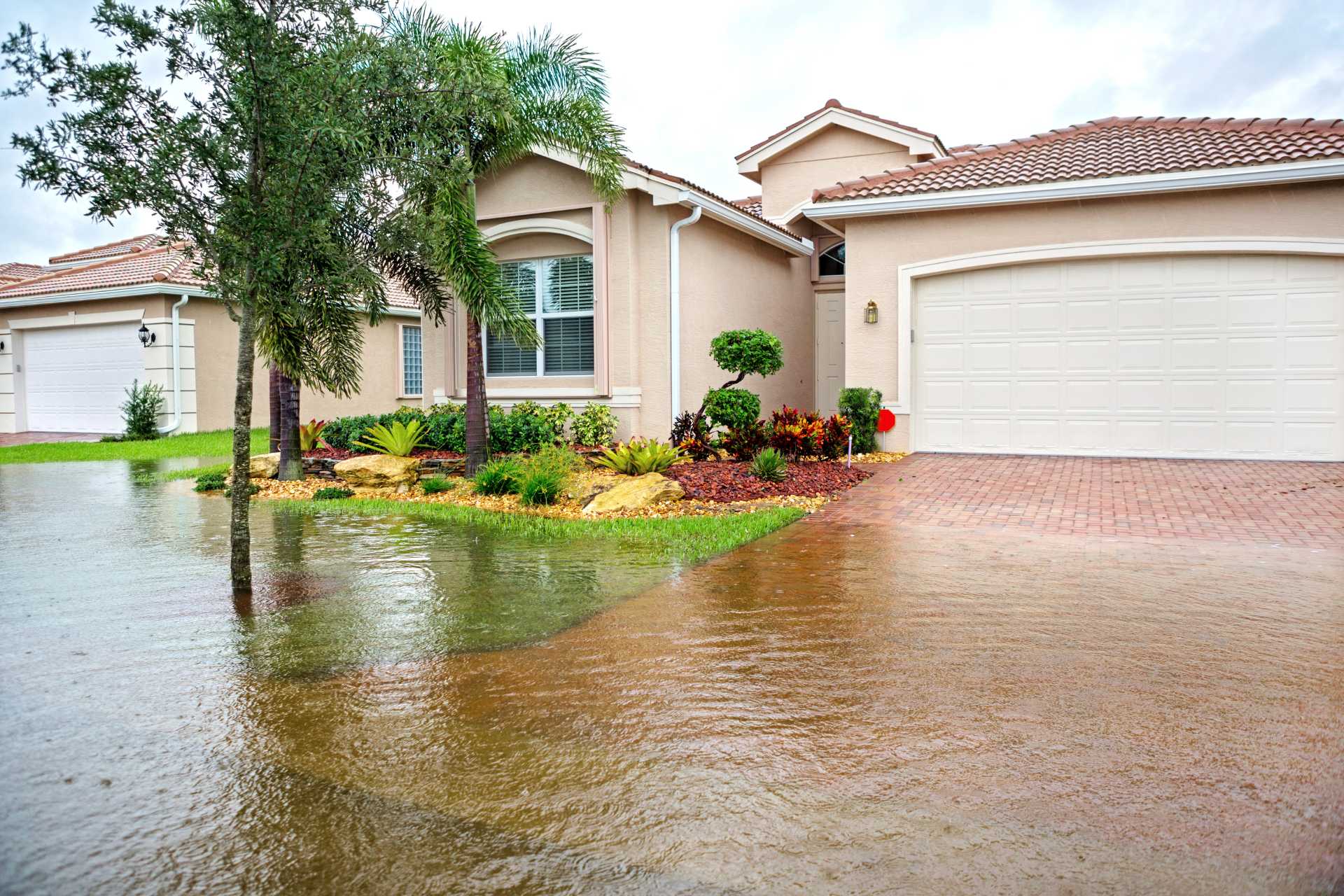
The single most destructive force a home will ever face is not wind or fire—it is water. A small, persistent flow of water against a foundation can cause more long-term damage than a major storm. The good news is that homeowners have the power to control it. Effective water management is a system with multiple layers of defence. It is not just about one component, like gutters, but about creating a clear, unobstructed path for water to travel from the sky, past the home, and safely away. Neglecting this system can lead to costly foundation repairs and, in some cases, disputes over water damage that require consulting with a lawyer. This post will outline the top ways to keep water flowing away from your home, from the peak of your roof to the bottom of your driveway, covering how clear gutters, functioning downspouts, and regular catch basin cleaning work together to protect your foundation and your peace of mind.
The First Line of Defence: Your Roof's Drainage System
The primary job of gutters is to catch the thousands of litres of water that run off a roof during a rainstorm. This prevents water from pouring down the siding and pooling against the foundation. However, gutters are only effective when they are clear. If clogged with leaves and debris, they will overflow. This overflow damages the wooden fascia boards behind them. It also stains the siding and creates waterfalls that erode the soil below. Regular cleaning is one of the most crucial home maintenance tasks for preventing water damage, especially in the spring and fall.
After the gutters collect the water, downspouts perform the critical job of carrying it safely to the ground. A downspout that ends right at the base of the house is a direct threat to the foundation. It deposits a large volume of water in the most vulnerable area. For downspouts to be effective, they need extenders. These attachments should discharge water at least 1.5 to 2 metres away from the foundation. This simple addition ensures all the water from the roof is moved away from the home before it can soak into the ground near the basement walls.
Managing Ground-Level Flow: Landscaping and Hardscaping
The ground immediately surrounding a home can either help or hinder drainage. The most important principle is "positive grading." In simple terms, this means the ground should slope away from the foundation on all sides for a distance of at least three metres. This gentle slope uses gravity to naturally direct all surface water—from rain to snowmelt—away from the house. A negative grade, where the ground slopes towards the house, acts like a funnel. It directs all surface water straight to the basement walls, creating constant pressure and significantly increasing the risk of leaks.
Smart landscaping choices can also support good drainage. It is advisable to avoid piling mulch or building up soil high against the foundation, as these materials can trap moisture against the siding and concrete, potentially leading to rot and decay. Instead, consider the strategic placement of water-loving plants and shrubs in lower-lying areas of the yard. These plants can help absorb excess moisture and reduce the amount of standing water on the property after a heavy rainfall, adding both beauty and function to the landscape.
The Heavy Hitters: Drains and Catch Basins for Full Drainage Support
Engineered solutions are often necessary for managing heavy water flow in yards and on driveways. A catch basin is a collection box with a grate on top, typically installed at a low point on the property. Its purpose is to collect surface water runoff during heavy downpours and channel it into an underground drainage pipe. This is a critical tool for preventing large-scale pooling and flooding. Such issues could otherwise overwhelm the grading and saturate the soil around the foundation. For a catch basin to do its job, however, the grate and the basin itself must be kept clean. They must be free of leaves, sediment, and debris. A clogged catch basin is completely ineffective and can even make flooding worse.
A sub-surface solution may be required in areas with persistent groundwater issues. A French drain is a simple yet highly effective tool for this purpose. It consists of a perforated pipe laid in a gravel-filled trench. The trench intercepts groundwater as it moves through the soil. The pipe then redirects this water away from the foundation to a safe discharge point. This system works invisibly below the surface to relieve hydrostatic pressure—the force of water in the soil. It stops this pressure from pushing against the basement walls, providing a robust defense against chronic dampness and leaks.
The Last Line of Defence: Sump Pumps and Interior Protection
Even with the best exterior defences, some water may still find its way to the foundation level, especially in areas with a high water table. This is where the sump pump acts as the last line of defence. A sump pump sits in a basin, or sump pit, installed in the lowest part of the basement. As groundwater collects in the pit, a float switch on the pump rises. When it reaches a certain level, the pump automatically activates, ejecting the water through a pipe to the outside, far away from the house. Regular testing of the sump pump is essential to ensure it is ready to work when needed, and a battery backup system is a wise investment to provide protection during power outages, which often occur during severe storms.
Become the Master of Your Water Flow
A dry home is the result of a complete system working in harmony: Gutters collect, downspouts divert, grading directs, and catch basins capture. Regular maintenance of this system is not a chore; it is the most cost-effective insurance a homeowner can buy against the catastrophic expense of foundation repair and water damage restoration. Do not wait for a damp basement to tell you there is a problem. Take a walk around your property during the next rainstorm and watch where the water goes. By understanding and managing its flow, you can ensure your home stays safe, dry, and secure for years to come.

The Role of Roof Ventilation in Supporting Your HVAC System
Many homeowners have faced a frustrating puzzle: the energy bills are climbing, and the house never feels quite comfortable, despite having a modern, efficient HVAC system. When faced with this issue, the first instinct is often to call an HVAC company to service the unit again. However, the root of the problem may not be in the basement furnace or the outdoor air conditioner at all. It may be one level up, in the dark, often-ignored space of the attic. A home’s heating and cooling system is engaged in a critical partnership with its roof ventilation system. When homeowners understand this relationship, they often realize that the key to a more efficient and comfortable home may lie with a professional roofing company that specializes in creating a healthy, breathing roof structure.
The Attic Environment: An Oven in Summer, a Freezer in Winter
During a hot Canadian summer, solar radiation beats down on the roof, turning the enclosed attic space into a super-heated oven. Without adequate airflow, attic temperatures can easily soar to 65°C or higher, even on a moderately warm day. This intense, stagnant heat then radiates downwards through the ceiling insulation and into the home's living areas. This process forces the air conditioner to run longer and harder to combat a constant source of heat from above. It creates a significant strain on the system and is a primary cause of uncomfortable, stuffy upper floors.
In the winter, the problem reverses, but with equally damaging effects. Daily activities like cooking, showering, and even breathing produce warm, moist air that naturally rises through the house. When this vapour-laden air enters a cold, poorly ventilated attic, it hits the frigid underside of the roof deck and condenses, creating frost and dampness. This moisture saturates the insulation, drastically reducing its effectiveness. It can also lead to the growth of mould and mildew and contribute to the formation of destructive ice dams at the edge of the roof, posing a threat to the entire structure. Proper roof ventilation is designed to combat both of these extreme scenarios.
How Roof Ventilation Works: A Simple Breathing System
An effective roof ventilation system functions like a simple but constant breathing apparatus for the home. It operates on a basic principle of physics known as the "stack effect," where warm air naturally rises. The system is designed to create a continuous, passive flow of air through the attic space, moving cooler, drier air in and pushing hotter, moister air out. This constant circulation prevents the buildup of extreme temperatures and damaging condensation, keeping the attic environment much closer to the ambient outdoor conditions. It is a silent, tireless system that works year-round.
This "breathing" is achieved through a balanced combination of intake and exhaust vents. Intake vents, typically located in the soffits under the eaves of the roof, act as the system's inhale, drawing cooler, drier air into the attic from outside. Exhaust vents, which are placed at or near the highest point of the roof—such as ridge vents, gable vents, or turbine vents—act as the exhale. As the hot, moist air rises, these vents allow it to escape. Achieving the correct balance between the amount of intake and exhaust is critical for creating a smooth, effective airflow that properly conditions the entire attic space.
How Ventilation Boosts Summer HVAC Performance
A properly functioning roof ventilation system is an air conditioner's best friend during the summer. By continuously flushing the super-heated air out of the attic, it can lower the temperature in that space by as much as 30 degrees. This dramatically reduces the heat load radiating down into the living space. Instead of having to overcome the heat generated by a 65°C oven above the ceiling, the HVAC system only has to cool the home itself. This significantly lessens the strain on the air conditioner, allowing it to maintain a comfortable indoor temperature more easily and efficiently.
The benefits of this reduced workload are substantial. First, it leads to lower energy bills. An air conditioner that runs less often and for shorter cycles consumes significantly less electricity, providing direct financial savings throughout the summer. Second, it extends the lifespan of the AC unit. Less constant strain means less wear and tear on the compressor and other critical components, delaying costly repairs and premature replacement. Finally, it improves overall comfort. By eliminating the source of radiant heat from the attic, those frustratingly hot upper-floor rooms become cooler and more pleasant.
How Ventilation Boosts Winter HVAC Performance
In the winter, the primary job of roof ventilation is moisture control, which directly supports the furnace. By consistently moving the warm, moist air that rises from the living space out of the attic, the system prevents condensation from forming on the cold underside of the roof deck. This is critical because insulation must remain dry to be effective. When insulation becomes damp, its R-value plummets, and it no longer serves as an effective thermal barrier. Dry insulation means the furnace does not have to work as hard to compensate for heat loss through the ceiling.
This system also plays a crucial role in preventing ice dams. Ice dams form when heat trapped in the attic warms the roof deck, melting the snow on the roof. This meltwater runs down to the colder eaves, where it refreezes, forming a thick ridge of ice. A well-ventilated, cold attic keeps the entire roof deck at a consistent temperature, preventing the snow from melting in the first place. This protects the shingles, gutters, and siding from the extensive water damage that ice dams can cause. A more efficient thermal envelope also means the furnace cycles less, reducing wear and tear and extending its service life.
The Long-Term Payoff: Protecting Your Entire Home System
The benefits of a well-designed ventilation system extend beyond HVAC performance and energy savings. Proper roof ventilation is essential for protecting the lifespan of the roof itself. The extreme heat that builds up in an unventilated attic literally "bakes" asphalt shingles from the inside out. This causes them to become brittle, curl, and fail long before their expected lifespan, leading to a premature and very expensive roof replacement. A cooler, drier attic environment helps preserve the integrity of the roofing materials for years.
Furthermore, effective moisture control is fundamental to the home's structural health. The constant dampness from condensation in a poorly ventilated attic creates the perfect breeding ground for mould and mildew, which can pose serious health risks to the occupants. This moisture also promotes wood rot in the roof deck, rafters, and ceiling joists, potentially causing thousands of dollars in structural damage over time. A healthy, dry attic protects the very bones of the home, making proper ventilation one of the most important investments in long-term property care.
Give Your HVAC a Breather: Why Your Roof Needs to Exhale
In the end, it is crucial to see a home not as a collection of separate parts, but as one interconnected system. Roof ventilation is an active, essential component of that system, not a passive feature. It is a silent partner to the HVAC unit, working 24/7 to reduce its workload, improve energy efficiency, and protect the home from the damaging effects of heat and moisture. Thinking of the roof, attic, and HVAC system as a single, cohesive unit is the key to achieving a truly healthy, comfortable, and cost-effective home. If high energy bills, ice dams, or uncomfortable rooms are a persistent issue, it may be time to look up. A professional assessment of a home's roof ventilation is an investment that pays dividends in comfort, savings, and peace of mind for years to come.

Vinyl vs. Wood Siding: Which Is Better for Canadian Homes?
Introduction: The Protective Armour for a Canadian Home
The Canadian climate presents a unique and demanding challenge for any home’s exterior. From frigid, ice-laden winters to hot, humid summers, a home's outer layer must be more than just visually appealing; it must be a durable shield against extreme weather swings. The choice of siding is therefore one of the most critical decisions a homeowner will make. It defines not only the home's curb appeal but also its ability to protect the structure within. Two classic contenders dominate this conversation: traditional wood and modern vinyl. These materials represent two very different philosophies of home ownership. This guide will provide a comprehensive, head-to-head comparison across five key categories to help Canadian homeowners decide which material is truly the best fit for their property, budget, and lifestyle.
Durability & Weather Resistance: The Canadian Climate Test
Wood siding has been used for centuries, and for good reason. When properly treated and maintained, certain species like cedar have natural resistance to moisture and insects. Wood is inherently strong and, unlike some plastics, does not become brittle and prone to cracking from impact in frigid temperatures. However, its natural composition is also its primary vulnerability in a Canadian climate. Wood is highly susceptible to the relentless freeze-thaw cycle. If moisture penetrates an unprotected surface, it can lead to warping, splitting, and cracking. Furthermore, without diligent upkeep, wood is an attractive target for rot, woodpeckers, and carpenter ants, requiring a constant defensive effort from the homeowner to maintain its integrity.
Vinyl siding, on the other hand, presents a modern solution to these age-old problems. As a synthetic material, it is completely impervious to moisture and rot. It will not warp from dampness, and it is entirely unattractive to pests. Modern vinyl formulations also include UV inhibitors that help them resist fading and degradation from the harsh summer sun. The primary drawback of vinyl is its performance in extreme cold. Standard vinyl siding can become brittle in deep-freeze conditions, making it more susceptible to cracking from an impact, like a stray hockey puck or hailstones. Additionally, very dark shades of vinyl can be more prone to warping or distortion if installed on a wall that receives intense, direct sunlight in the summer.
Maintenance & Long-Term Commitment: The "Time vs. Money" Equation
The single greatest difference between wood and vinyl siding lies in the long-term commitment they require. Wood siding is a high-involvement relationship. It demands a regular and perpetual maintenance cycle to keep it looking good and performing its protective function. This involves more than just an occasional cleaning. To prevent moisture damage and decay, wood siding must be scraped, sanded, and re-stained or re-painted every three to seven years, depending on the climate and exposure. This is a significant and recurring time commitment for a DIY-er, and a substantial financial expense for those who hire professional painters. This ongoing need for upkeep is a critical factor to consider in the total cost of ownership.
Vinyl siding, in contrast, offers a low-maintenance lifestyle. Its maintenance routine is incredibly simple. For most homes, an annual cleaning with a soft-bristled brush, mild soap, and water from a garden hose is all that is needed to remove the layer of dirt and grime that accumulates over a year. It never requires painting, staining, or sealing. Its colour is solid throughout the material, so scratches are less noticeable. The long-term maintenance cost is virtually zero. The only potential expense would be the replacement of a panel that has been cracked or damaged by impact, which is a relatively straightforward and inexpensive repair. For homeowners who prioritize ease of ownership and want to minimize their weekend to-do list, vinyl is the undisputed champion.
Cost & ROI: The Upfront Investment vs. The Long-Term Payback
When it comes to the financial aspect, wood and vinyl sit at opposite ends of the spectrum. Wood siding typically has a higher upfront cost. Both the material itself, especially desirable species like clear cedar, and the specialized labour required for a professional installation are more expensive than for vinyl. The return on investment (ROI) for wood is good, but highly conditional. For certain architectural styles, like heritage homes or rustic chalets, the authentic look of real wood is considered a premium, essential feature that can add significant value. However, savvy homebuyers are also increasingly aware of the high long-term maintenance costs, which can sometimes temper their enthusiasm and affect the overall financial return compared to lower-maintenance options.
Vinyl siding is one of the most affordable siding materials on the market, making it a very accessible investment for a wide range of homeowners. The installation process is generally faster and less labour-intensive, which also helps to keep the initial project cost down. Because of this low upfront cost, the ROI for new vinyl siding is excellent. Homeowners often recoup a very high percentage of their investment when it comes time to sell. While it may not carry the same "premium" label as perfectly maintained wood, new, clean siding is a major selling feature that signals a well-cared-for home. Its low-maintenance appeal is also a huge plus for many buyers, making vinyl a smart and reliable investment.
Aesthetics & Style: The Look and Feel of Your Home
For many homeowners, the deciding factor comes down to aesthetics, and this is where wood siding truly shines. It offers an unparalleled natural beauty, warmth, and character that synthetic materials cannot perfectly replicate. The authentic grain and rich texture of real wood are timeless and can be stained to a beautiful natural finish or painted in an infinite array of colours. Wood is also incredibly versatile, fitting a wide range of architectural styles, from rustic, traditional cabins to sleek, modern designs. The only drawback is that its stunning appearance is directly tied to the quality of its maintenance. Faded, peeling, or dirty wood siding can quickly detract from a home's appearance, losing the very charm it was chosen for.
Modern vinyl siding has come a very long way from the shiny, plastic-looking product of decades past. Today, it is available in a huge and sophisticated palette of colours, from subtle earth tones to bold, dark hues. It also comes in a variety of profiles, including traditional horizontal panels, vertical board and batten styles, and even shingle-style shakes. Many higher-end vinyl products feature textures that do a convincing job of mimicking wood grain from a distance. The primary aesthetic limitation of vinyl is that it cannot perfectly replicate the authentic feel and depth of real wood up close. Additionally, the seams between panels can be more visible than with wood, particularly on long, uninterrupted walls.
Environmental Impact: The Sustainability Factor
When considering the environmental impact, both materials have their pros and cons. Wood is a natural, renewable resource. If it is sourced from a sustainably managed forest, which can be verified through certifications like the Forest Stewardship Council (FSC), its initial environmental footprint is quite low. Wood is also biodegradable at the end of its life, and it requires less energy to produce than vinyl. The main environmental drawback of wood siding comes from its required maintenance. The chemical stains, paints, solvents, and preservatives that must be regularly applied over its lifespan can have a negative impact on the local environment.
Vinyl siding, on the other hand, is a petroleum-based product (PVC), which is a non-renewable resource. Its manufacturing process is more energy-intensive than that of wood. At the end of its life, vinyl is not biodegradable, and while it is technically recyclable, very few facilities in Canada are actually equipped to handle post-consumer siding. This means that most old vinyl siding ends up in a landfill. On the plus side, vinyl's extreme durability and long lifespan mean it needs to be replaced less frequently, which reduces overall material consumption. Furthermore, some insulated vinyl siding products can improve a home's energy efficiency, which helps to lower its long-term carbon footprint.
Your Home's Outer Character
The choice between wood and vinyl siding is ultimately a choice of priorities and lifestyle. There is no single "best" answer for every Canadian home. Wood offers an authentic, timeless beauty that is unmatched, but it demands a significant upfront investment and a lifelong commitment to diligent, costly maintenance. Vinyl offers incredible value, modern durability, and a "set-it-and-forget-it" peace of mind, but it cannot perfectly replicate the classic character of real wood. Before making a final decision, it is wise to honestly assess your budget, your long-term tolerance for home maintenance projects, and the architectural style of your home. A drive through your own neighbourhood to see how both materials look and perform in your local climate is often the best final step in choosing your home's enduring outer character.