

Late-Summer Roof Inspection: Preparing Your Home for Fall Rains and Canadian Winters
As late August arrives across Canada, the warm days of summer begin to wind down, signalling that it is time to prepare your home for the seasonal transition ahead. The late-summer months offer an ideal window for preventative home maintenance, particularly when evaluating your home's exterior envelope. Before heavy autumn rains descend and winter ice freezes over your shingles, scheduling a comprehensive assessment with a professional roofing company ensures your structure remains watertight. Whether you plan to stay in your home for years or work with a real estate agent to list your property in the upcoming fall market, maintaining a sound roof is vital for preserving structural integrity and protecting your overall property value.
Why Late August is the Optimal Window for Roof Maintenance
Late August and early September present the best climatic conditions for conducting roof inspections and executing minor repairs. Summer heat can cause asphalt shingles to expand and dry out, while summer windstorms and hail may leave behind subtle damage.
Addressing minor issues during the dry days of late summer allows roofing materials to be repaired under optimal conditions. Sealants, caulking, and asphalt adhesive strips require warm ambient temperatures to cure properly and form a watertight seal.
Once autumn rains begin, pinpointing the exact source of a roof leak becomes much more difficult. Water can travel along internal rafters and insulation before manifesting on your ceiling, making early preventative inspections far more efficient than reactive emergency repairs during a downpour.
Furthermore, preparing your roof before the first freeze prevents trapped moisture from expanding within small cracks, which can rapidly deteriorate shingles and flashings once winter temperatures take hold.
Key Components of a Late-Summer Roof Inspection
A thorough late-summer inspection examines every section of your roofing system to ensure it can withstand harsh weather conditions.
First, inspect the condition of your shingles. Look for signs of curling, cracking, blistering, or missing granules. Granules protect the underlying asphalt layer from ultraviolet radiation; significant granule loss leaves shingles vulnerable to premature aging.
Next, check all flashing surrounding chimneys, skylights, plumbing stacks, and roof valleys. Flashing forces water away from high-risk seams, and corroded or lifted metal flashing is one of the most common causes of hidden interior leaks.
Inspect the soffits, fascia, and eavestroughs. Ensure that gutters are cleared of summer debris, dirt, and pine needles so heavy fall rains can drain freely without overflowing into your home's foundation or backing up under the roof edge.
Finally, do not forget the interior. Check your attic space for signs of daylight, water staining on rafters, damp insulation, or musty odours that indicate poor ventilation and moisture accumulation.
Assessing Attic Insulation and Thermal Efficiency
While exterior shingles take the brunt of Canadian weather, your attic's insulation layer plays an equally vital role in protecting your roof deck from the inside out. A late-summer inspection is the perfect opportunity to verify that your thermal boundary is intact before cold air sets in.
Inadequate attic insulation allows indoor heating energy to leak into the space immediately beneath your roof deck during cold months. This unwarranted temperature rise destabilizes the exterior roof deck temperature, driving premature snowmelt and creating localized hot spots across your shingles.
Check your insulation depth to ensure it meets current provincial R-value recommendations. Inspect for compressed, shifted, or damp insulation batts around eaves and access hatches.
Addressing insulation gaps in late summer not only lowers heating bills when autumn arrives, but it also protects structural wooden trusses and sheathing from seasonal humidity buildup and interior condensation.
Preparing for Canadian Winters: Preventing Ice Dams and Heavy Snow Loads
Canadian winters subject residential roofs to severe structural stress, primarily through heavy snow accumulation and destructive ice dams.
Ice dams form when heat escapes from an under-insulated attic into the roof deck, melting the bottom layer of snow on the roof. The melted water runs down toward the cold eaves, where it refreezes, creating a ridge of ice that traps subsequent meltwater behind it.
Trapped water eventually backs up under the shingles, seeping into the roof deck, attic insulation, and interior drywall. Inspecting your roof in late summer allows you to identify poor ventilation or inadequate attic insulation before freezing temperatures arrive.
Ensuring your attic maintains a uniform temperature through proper ridge and soffit ventilation keeps the roof deck cold, preventing the freeze-thaw cycles that trigger ice dam formation.
Creating a Post-Storm Action Strategy for Early Autumn
Fall weather in Canada frequently brings intense windstorms, microbursts, and heavy rain showers that test the structural resilience of your property. Developing a post-storm action strategy ensures that minor atmospheric stress doesn't escalate into interior water damage.
Establish a routine ground-level inspection protocol after every major fall weather event. Using binoculars, visually scan your roofline for shifted shingle rows, damaged ridge caps, or loosened gutter brackets without stepping onto slippery wet surfaces.
Maintain a clear perimeter around your roof by trimming back overhanging tree limbs in late August. Heavy autumn winds can easily snap dead branches onto your shingles or scrape protective surface granules away during high-wind events.
Documenting seasonal roof checks with photos or written records provides an invaluable reference log for insurance claims or future home buyers, confirming that your home was actively maintained prior to severe weather occurrences.
The Value of Preventative Roof Maintenance for Homeowners
Taking a proactive approach to roof maintenance yields significant financial and operational benefits over the lifespan of your home. Scheduling a late-summer preventative inspection allows you to address minor issues at lower repair costs while taking advantage of optimal sealant curing weather to extend shingle lifespan, effectively preventing freeze-thaw expansion and stopping early leaks before fall rains arrive.
Conversely, relying on reactive winter repairs often results in steep emergency service fees and potential interior water restoration costs, while dramatically increasing the risk of hidden structural rot, mould growth, and ice dam damage. Catching a loose flashing or damaged shingle during late summer typically involves a straightforward, low-cost fix, whereas ignoring these minor warning signs until winter can lead to extensive structural repairs and ruined insulation. For homeowners planning to sell, maintaining a well-documented roof inspection record reassures prospective buyers, streamlines the home inspection process, and protects your property's overall market valuation.
Secure Your Home Before the Season Changes
A late-summer roof inspection is a smart, cost-effective investment that safeguards your home against unpredictable fall rains and harsh Canadian winters. By identifying damaged shingles, securing loose flashing, clearing drainage systems, and verifying attic ventilation now, you prevent small vulnerabilities from turning into costly emergency repairs. Taking action while the weather is clear ensures your roof remains durable, energy-efficient, and fully watertight all year long.

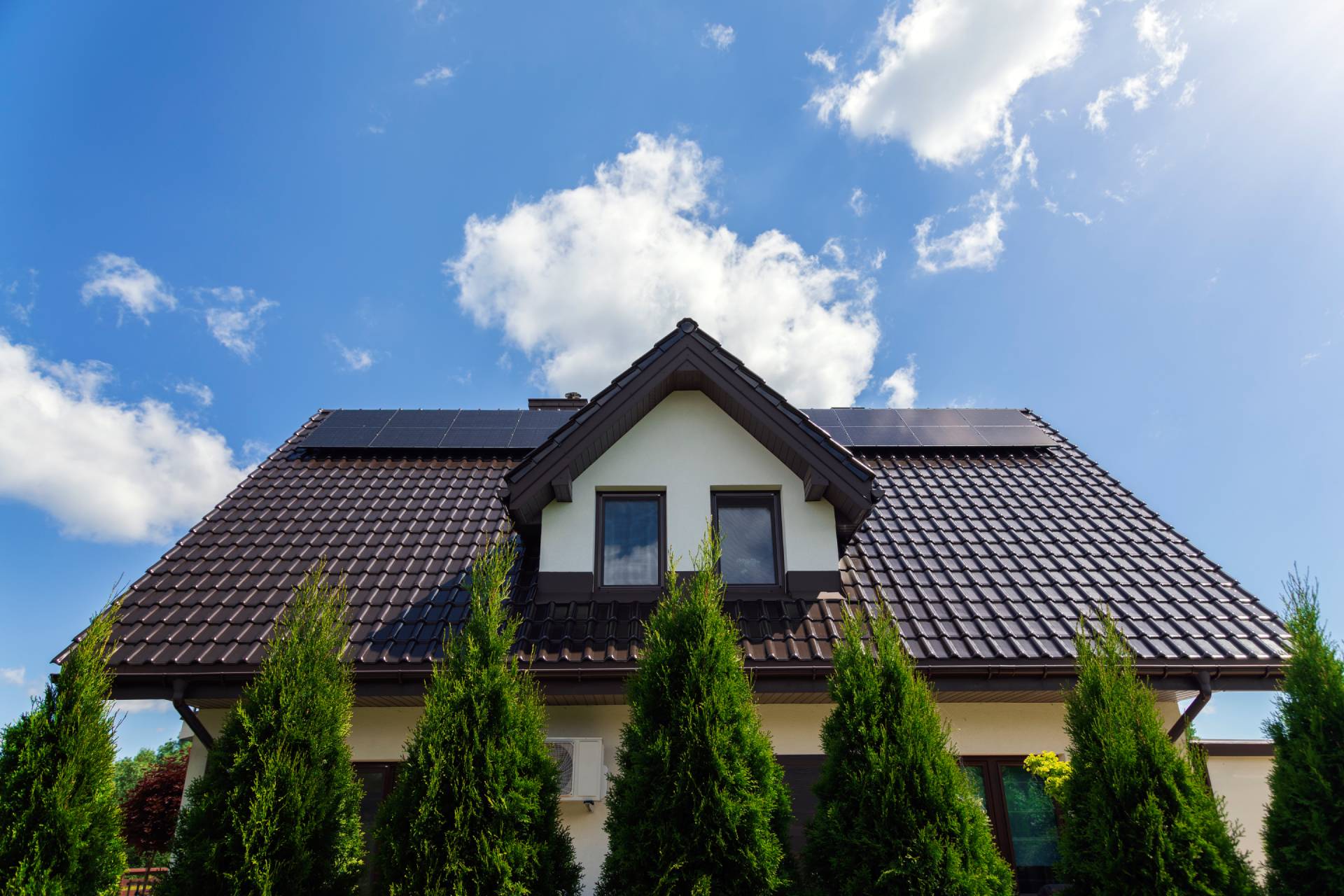
From Hail to Heatwaves: The Best Weather-Resilient Materials for a Lifetime Roof
Your roof protects your home through years of blazing sun, freezing temperatures, heavy rain, high winds, and hail. Choosing a resilient roof provides long-term peace of mind, much like having a trusted family doctor oversee your family's health for decades. Instead of waiting for problems to appear, investing in durable materials can help prevent premature deterioration and costly replacement.
Why Cheap Roofing Materials Fail Over Time
Extreme temperature swings can be surprisingly hard on roofing materials. During hot weather, a roof expands under intense heat. When temperatures drop, it contracts. This cycle repeats throughout the year, gradually placing stress on inexpensive roofing products.
Low-quality asphalt shingles may become brittle, crack, curl, or lose their protective granules. Once the surface deteriorates, moisture can penetrate vulnerable areas and contribute to leaks, rot, and damage to the roof deck.
UV exposure adds another layer of wear. Years of direct sunlight can cause roofing materials to fade, dry out, and lose their protective properties. What initially looks like minor discoloration can eventually become a sign of deeper material degradation. Replacing a roof prematurely can cost far more than choosing a higher-durability product from the beginning.
Standing Seam Metal: Strength for Extreme Conditions
Standing seam metal roofing is one of the strongest options for homeowners seeking long-term weather resistance. Its interlocking panels and concealed fasteners create a durable system that can withstand demanding weather conditions when properly installed.
Quality metal roofing is also designed to resist UV exposure and temperature fluctuations. Unlike inexpensive materials that can deteriorate quickly under repeated heating and cooling, metal maintains its structural integrity over a long service life.
Its smooth, continuous design can also help shed rain and snow efficiently. With appropriate coatings and professional installation, standing seam metal can provide reliable protection against sun, wind, and moisture for decades.
Composite Slate: Durability with Classic Appeal
Composite slate provides the traditional appearance of natural slate while using engineered materials designed for modern performance. It can be a practical choice for homeowners who want a durable roof without some of the weight and maintenance considerations associated with natural slate.
Many composite slate products are manufactured to resist moisture, UV exposure, and impact. Their ability to maintain their appearance and performance through changing weather makes them well suited to homes exposed to both severe summer heat and winter conditions.
For homeowners prioritizing both curb appeal and durability, composite slate offers a balance between traditional style and modern weather resistance.
Class 4 Asphalt: Added Protection Against Hail
Asphalt shingles remain popular because they are versatile and relatively affordable. However, standard shingles may be more vulnerable to hail damage than higher-rated alternatives.
Class 4 impact-resistant asphalt shingles are designed and tested to provide greater resistance to impact. This can be particularly valuable in areas where hailstorms are common. Stronger shingles may help reduce cracking, bruising, and granule loss caused by severe storms.
While Class 4 shingles are not completely hail-proof, their enhanced impact resistance can contribute to a longer-lasting roofing system, especially when combined with proper installation and routine maintenance.
Wind and Moisture Resistance Matter Too
A truly weather-resilient roof must handle more than heat and hail. Strong winds can create uplift forces that loosen roofing materials, while moisture can exploit small weaknesses around seams, flashing, and penetrations.
The material itself is only part of the equation. Proper underlayment, flashing, ventilation, fasteners, drainage, and installation techniques are essential to achieving long-term performance. Working with an experienced roofing company can help ensure that the entire roofing system is designed and installed to withstand local weather conditions.
Regular inspections are equally important. Identifying damaged shingles, loose metal panels, deteriorated flashing, or blocked drainage early can prevent minor issues from becoming major repairs.
Choosing the Right Material for Long-Term Protection
There is no single roofing material that is ideal for every home. Standing seam metal is particularly well suited to homeowners seeking exceptional longevity and resistance to sun, wind, and temperature changes. Composite slate offers durability with a distinctive appearance, while Class 4 asphalt provides enhanced impact protection in a familiar and cost-conscious format.
The right choice depends on your climate, budget, home design, and exposure to specific weather hazards. Regardless of the material selected, prioritizing durability from the beginning can reduce the likelihood of premature replacement.
A lifetime roof starts with materials capable of handling the conditions they will face year after year. Extreme heat, UV radiation, hail, wind, and moisture can quickly expose the weaknesses of cheap roofing products. Standing seam metal, composite slate, and Class 4 impact-resistant asphalt offer stronger alternatives designed for demanding environments. Investing in weather resilience today can mean fewer repairs, less disruption, and greater confidence in your home's protection for decades to come.