
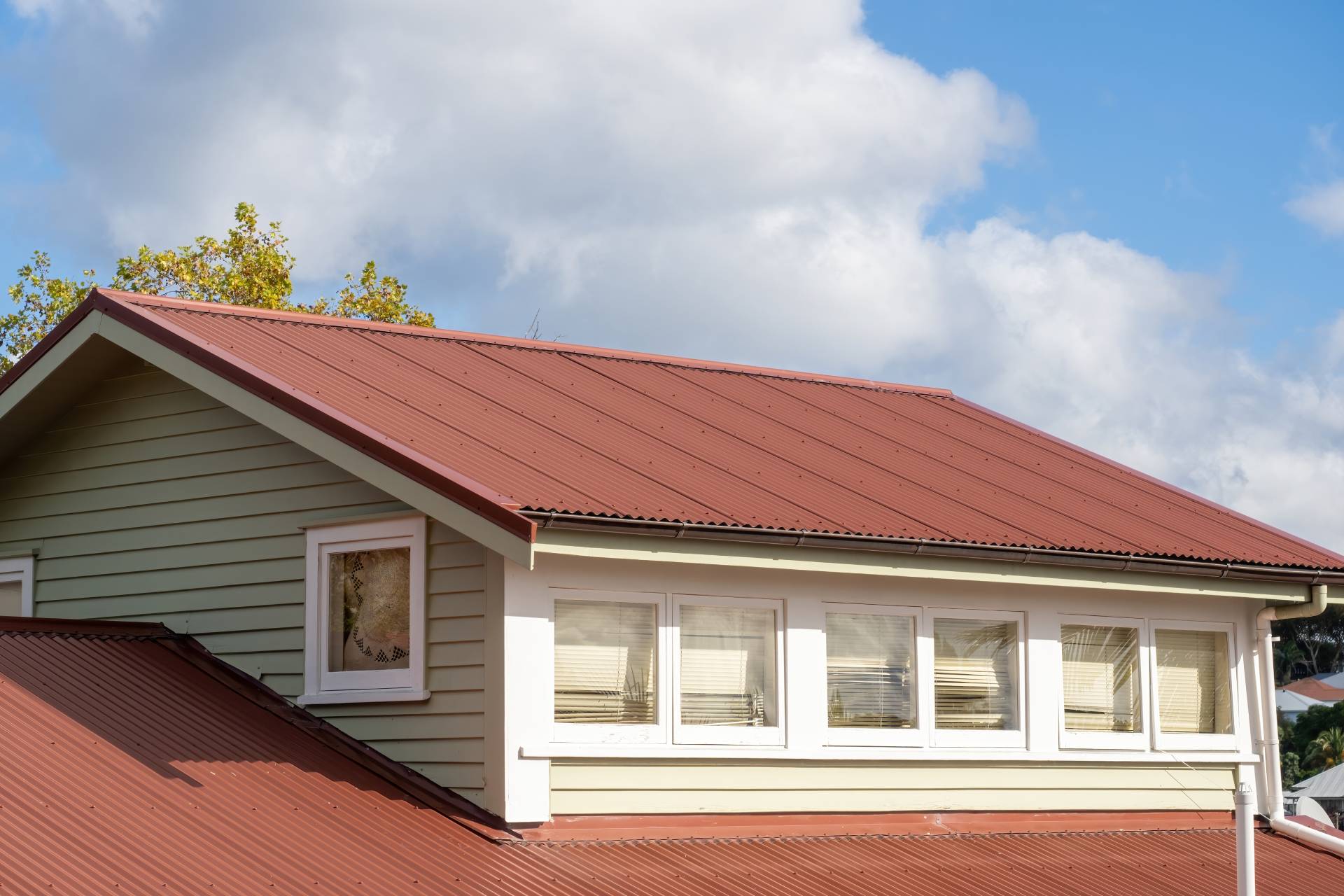
The 50-Year Roof: Why Metal Roofing is Redefining Value in the Modern Real Estate Market
In today’s evolving housing market, buyers and sellers alike are looking beyond surface-level appeal and focusing on long-term value. Structural integrity, durability, and reduced maintenance costs have become key decision drivers. Among the features gaining increasing attention is metal roofing, a solution that promises longevity, resilience, and peace of mind. With a lifespan of up to 50 years or more, a metal roof is no longer just a functional upgrade; it is a defining asset that reshapes how properties are perceived and marketed.
The “One-and-Done” Advantage
Traditional roofing materials, such as asphalt shingles, typically require replacement every 15 to 25 years. This recurring expense can create financial strain and uncertainty for homeowners. In contrast, metal roofing offers what many consider a “one-and-done” solution. Once installed, it can last half a century or longer with minimal intervention.
This extended lifespan eliminates the need for multiple roof replacements over the course of homeownership. For current homeowners, that means fewer disruptions, reduced long-term costs, and the confidence that a major structural component of their home is secure. For prospective buyers, it removes one of the most significant future maintenance concerns, making the property inherently more attractive.
Reducing Stress for Homeowners and Buyers
Homeownership often comes with a long list of responsibilities, and roof maintenance is among the most critical—and costly. The possibility of leaks, weather damage, or sudden replacement needs can be a constant source of stress. Metal roofing addresses these concerns head-on.
Because it is engineered to withstand the test of time, a metal roof significantly reduces the likelihood of unexpected repairs. This reliability translates into a smoother ownership experience. Buyers entering the market are increasingly drawn to homes that minimize future obligations, and a long-lasting roof provides exactly that reassurance.
In essence, a 50-year roof shifts the mindset from reactive maintenance to proactive investment. It allows both current owners and newcomers to focus on enjoying the property rather than worrying about its upkeep.
Built for Seasonal Extremes
One of the defining characteristics of metal roofing is its resilience against harsh environmental conditions. Whether facing heavy snowfall, intense heat, high winds, or torrential rain, metal roofs are designed to perform consistently.
They shed snow more effectively than traditional materials, reducing the risk of structural strain. Their reflective properties help manage heat, contributing to improved energy efficiency during warmer months. Additionally, their resistance to cracking, warping, and corrosion ensures durability across changing seasons.
This level of performance is particularly valuable in regions that experience wide temperature fluctuations or severe weather events. A home equipped with a metal roof is better prepared to handle these challenges, reinforcing its overall structural integrity.
A Powerful Tool for the Real Estate Agent
In a competitive market, differentiation is key. A savvy real estate agent understands how to highlight features that go beyond aesthetics and speak directly to long-term value. Metal roofing provides a compelling narrative that can elevate a property’s appeal.
Instead of focusing solely on cosmetic updates or short-term benefits, the conversation shifts to durability, cost savings, and future-proofing. A 50-year roof becomes a centerpiece of the home’s value proposition, signaling that the property has been built or upgraded with longevity in mind.
For buyers, this framing transforms the purchase from a simple transaction into a strategic investment. The presence of a metal roof suggests fewer future expenses, greater resilience, and a higher level of care in the home’s construction or renovation.
Financial Implications and Long-Term Value
While the upfront cost of metal roofing may be higher than traditional materials, its long-term financial benefits are significant. By eliminating the need for multiple replacements, homeowners can save substantially over time. Additionally, reduced maintenance and potential energy savings further enhance its value.
From a resale perspective, a durable roof can positively influence buyer perception and potentially increase property value. Buyers are often willing to pay a premium for features that reduce future risk and expense. In this way, a metal roof not only pays for itself over time but also strengthens the property’s position in the market.
As the real estate landscape continues to evolve, features that offer lasting value are rising to the forefront. Metal roofing exemplifies this shift, providing a durable, low-maintenance solution that benefits both current homeowners and future buyers. Its 50-year lifespan transforms it into a true asset—one that eliminates the cycle of replacement and redefines what it means to invest in a home.
For homeowners seeking peace of mind and for every real estate agent aiming to highlight meaningful value, the message is clear: a metal roof is more than just a covering; it is a long-term commitment to quality, resilience, and smart ownership.


From Eaves to Intake: How Fixing Roof Leaks Prevents Hidden Damage to Your Heating System
When property owners think about regular home maintenance, they tend to view different parts of their house as entirely separate entities. They treat the exterior structure and the interior mechanical equipment as if they operate in completely isolated bubbles. For example, a homeowner might worry about missing shingles after a heavy windstorm. Alternatively, they might feel anxious about an unusual rattling sound coming from the basement utility room on a cool spring evening. However, a residential property is actually a complex, highly interconnected ecosystem. A failure in just one protective layer can easily trigger a destructive domino effect deep inside your living spaces.
This hidden structural relationship is especially true when it comes to your home’s exterior shell and its primary climate control systems. Your roof serves as the ultimate horizontal cap that protects everything beneath it from the elements. If that protective barrier is compromised, water can travel down unexpected pathways and cause catastrophic failures inside your utility room. Working with a qualified, local roofing company ensures that your exterior boundaries remain completely waterproof and structurally sound through every seasonal storm. Neglecting minor roof damage allows slow water leaks to track along internal wall cavities, eventually forcing you to book an emergency furnace repair when water pools over sensitive electrical components. Securing your roofline directly shields your heating infrastructure, preventing unexpected repair bills and protecting your family’s indoor comfort.
The Hidden Trajectory: How Roof Leaks Travel to the Utility Room
Water is an incredibly patient and opportunistic force. When gravity pulls a leak through a compromised section of a roof, the water rarely drops straight down in a clean, vertical line. Instead, it follows the path of least resistance and wicks along the sloped edges of wooden rafters. It tracks down the exterior paper backing of insulation batts. It even slides along the smooth surfaces of metal structural pipes. This wandering path creates an unpredictable hazard. A leak that originates near your roof peak can easily travel halfway across your house before dripping onto your ceiling or flooring.
One of the most common pathways for travelling roof water is the central utility stack. Your home features several heavy metal or PVC ventilation pipes. These tubes exhaust combustion gases from your furnace and hot water tank straight up through the attic and out of the roof. To keep the holes around these pipes waterproof, installers use specialized rubber boots and metal flashing layers. Over years of exposure to baking sunlight and freezing spring rains, these rubber seals can crack, peel, and fail completely. When rain falls on a compromised vent boot, water slides straight down the exterior surface of the furnace exhaust pipe. It bypasses your attic floor entirely, passes through your interior wall framing, and drips directly onto the top header of your heating unit in the basement.
Water vs. Heat: The Destructive Internal Impact on Your Furnace
A modern central heating unit is a highly sophisticated machine. It relies on a complex balance of electrical circuitry, delicate safety sensors, and intense open flames. Because of this design, it is completely unequipped to handle moisture intrusion from an external source. When a failing roof vent flashing lets a hidden leak develop, trouble starts. Water tracks down the exterior exhaust pipe and creates internal cabinet moisture. This allows water to drip directly onto integrated circuit boards, causing a sudden system shutdown or an electrical short that triggers immediate flame sensor corrosion.
The most immediate danger of this moisture intrusion is a catastrophic electrical short circuit. The brains of a modern furnace consist of an integrated main circuit board filled with delicate microchips, fuses, and wiring harnesses. A single drop of water hitting a live circuit board can instantly fry the electrical tracks. This failure causes the system to shut down completely, requiring a full and expensive board replacement. Furthermore, chronic moisture exposure triggers rapid rust and corrosion along the burner assemblies and the flame sensor rod. A corroded flame sensor can no longer accurately detect when a fire is lit, forcing the furnace to automatically shut off as a safety precaution. This sudden shutdown leaves your home without heat during a critical temperature drop.
Protecting Your Heating System from Attic Ventilation Failures
While active water leaks cause immediate mechanical emergencies, a failing roofline can also destroy your heating system. This damage happens through poor airflow management. Your attic space is designed to breathe continuously. It relies on a balanced network of lower soffit intake vents and upper ridge exhaust vents. This continuous airflow keeps the attic temperature close to the outdoor environment. As a result, it prevents heat and moisture from building up inside the structural framing.
If a roof is poorly designed, or if shifting shingles block your upper exhaust vents, the air inside your attic space becomes completely stagnant. During the cool spring months, warm, moist air rises from your living spaces. This moisture gets trapped against the cold underside of your roof deck, creating a highly humid environment that leads to widespread condensation and mould growth. Many furnaces draw their fresh intake air directly through pipes routed through the attic space. Because of this layout, highly humid, mould-ridden air is sucked straight into your heating system’s burner chamber. Breathing in this dirty air causes your burners to corrode prematurely and clogs your internal air filters rapidly. Ultimately, it forces your system’s blower motor to overwork, drastically increasing your monthly energy bills.
A Comprehensive Property Maintenance Checklist for Homeowners
Protecting your property investments and ensuring continuous indoor comfort requires a proactive approach to home safety inspections. Catching minor roof wear and mechanical performance issues early allows you to schedule repairs on your own terms before a major system failure occurs. Use this simple exterior and interior checklist to verify that your home’s protective envelope and heating systems are working together perfectly:
- Inspect Roof Vent Flashings: Walk out to your yard with a pair of binoculars and look closely at the rubber and metal boots surrounding your furnace chimney stacks, checking for visible cracks or lifting edges.
- Monitor the Base of Exhaust Pipes: Go into your basement or utility room and inspect the metal flue pipes connecting your furnace to the ceiling, looking for water stains, white mineral tracking, or active rust spots.
- Verify Attic Insulation Dryness: Open your attic access hatch periodically to check that the insulation blankets surrounding your vertical vent pipes are completely bone-dry and free from dark mould stains.
- Test Furnace Safety Switches: Ensure that your furnace’s automatic float switches and water condensate pumps are clear of debris and operating smoothly to manage normal internal humidity.
- Schedule Dual Professional Assessments: Book an annual roof tune-up with a certified exterior team and a routine mechanical inspection with an HVAC technician to verify total system safety.
The Total Financial Value of a Secure Home Envelope
Investing in the health of your roofline is highly effective. It protects the delicate mechanical systems that keep your family safe and warm. A home cannot operate efficiently when its primary defensive layers are managed in total isolation. By recognizing the physical connection between your roof’s watershed systems and your utility room infrastructure, you win. You can eliminate hidden risks before they turn into expensive structural emergencies.
The financial and psychological benefits of a unified approach to home care extend far past simple leak prevention. Securing your roof structure creates a perfectly stable, climate-controlled building envelope. This envelope allows your heating and cooling systems to operate at peak efficiency with minimal effort. This proactive care reduces your monthly utility consumption and extends the lifespan of your furnace. It also prevents hidden moisture damage from ruining your interior drywall and wood framing. Partnering with certified installation professionals ensures your exterior boundaries are built to last and backed by strong warranties. Taking complete control of your property’s exterior defence systems today secures a safe, comfortable, and energy-efficient sanctuary for your family’s future.