
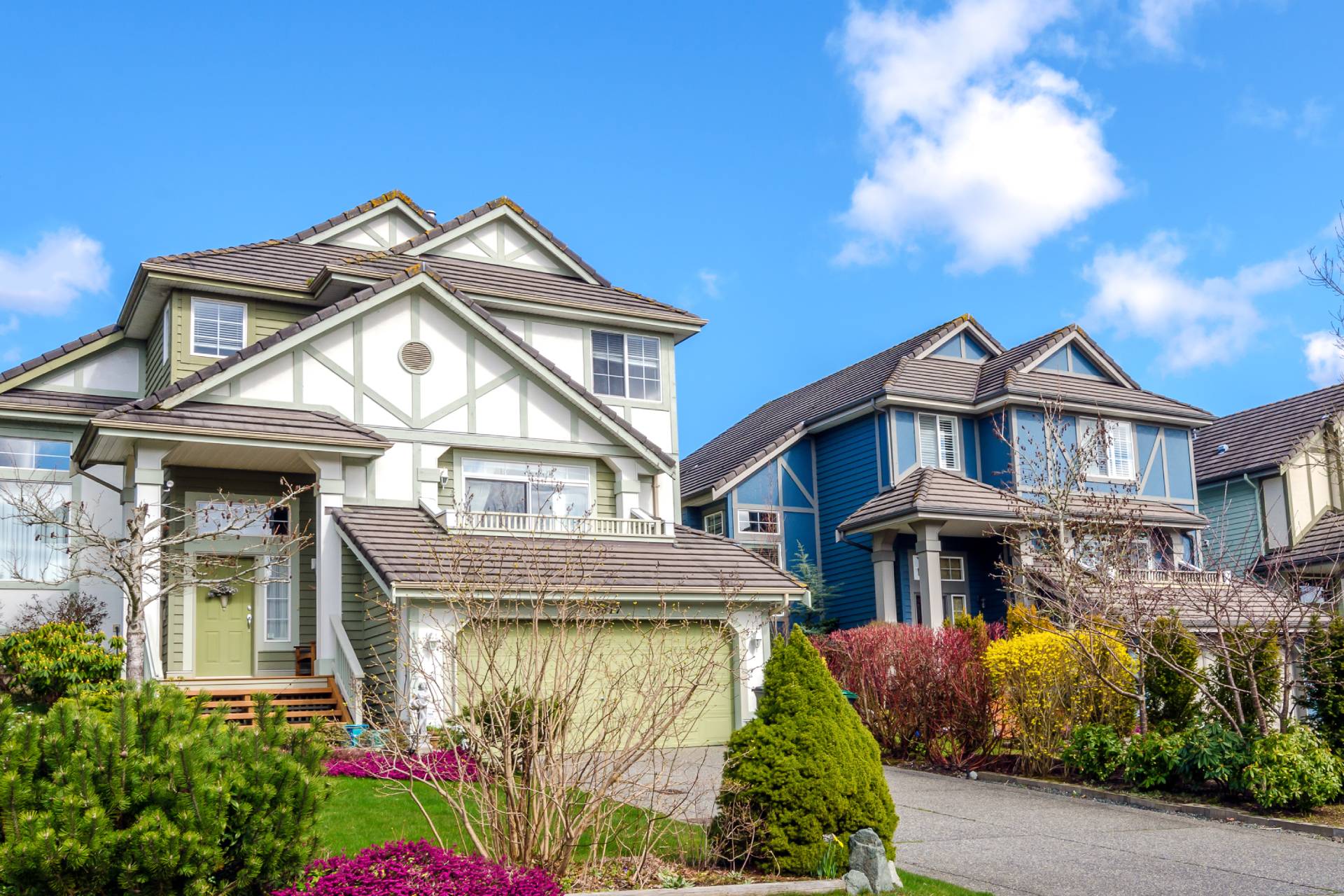
Maximizing Square Footage and Property Value: The Ultimate Home Upgrade Strategy
Homeowners seeking to increase property value and livable space often focus on surface-level upgrades. However, the most impactful improvements come from strengthening the structure and expanding usable square footage. A highly effective two-step strategy involves replacing an aging roof to protect the home, followed by basement underpinning to unlock valuable living space below. Together, these upgrades offer a practical way to enhance both function and long-term value. These types of upgrades focus on long-term performance rather than short-term visual impact. When executed thoughtfully, they can redefine how space is experienced throughout the entire home.
Step 1: Strengthening the Home with a New Roof
The roof is one of the most important components of any home. It serves as the first line of defense against weather, moisture, and environmental wear. When a roof begins to age, it can compromise insulation, allow water intrusion, and lead to structural damage over time.
Hiring a reliable roofing company to replace an aging roof ensures that your home remains protected and efficient. A new roof not only improves durability but also enhances energy performance and curb appeal. It signals that the property has been properly maintained, which can be important for long-term value perception.
Starting with the roof is a strategic move. It creates a secure outer shell that protects all future upgrades. Without this step, interior improvements, especially in lower levels, could be at risk of damage from leaks or moisture issues. In short, a strong roof provides the foundation for everything that follows.
Why Structural Upgrades Come First
While aesthetic improvements can be appealing, structural upgrades deliver more meaningful and lasting benefits. Addressing the roof first helps prevent costly repairs later and ensures that the home is prepared for deeper renovations.
A compromised roof can impact air quality, insulation, and moisture levels throughout the home. These issues are especially important when planning to upgrade a basement. By resolving them early, homeowners create a stable environment that supports additional improvements and reduces the likelihood of future complications.
Step 2: Expanding Space with Basement Underpinning
Once the home is structurally secure, the next step is to maximize interior space. Basement underpinning is a process that lowers the basement floor to increase ceiling height and overall usability. This transforms a typically underutilized area into a comfortable, functional living space.
Unlike basic basement finishing, underpinning changes the structure of the space itself. It allows for full-height ceilings, improved lighting, and better airflow. The result is a basement that feels like a natural extension of the home rather than a secondary or limited-use area.
With proper design, underpinned basements can serve many purposes, including additional bedrooms, home offices, recreation rooms, or guest suites. This flexibility makes the space highly valuable for everyday living.
Increasing Livable Square Footage
One of the most effective ways to enhance property value is by increasing usable square footage. Basement underpinning achieves this without expanding the home’s footprint, making it an efficient solution in space-constrained areas.
A basement with low ceilings and limited functionality often goes unused. By contrast, a bright, open lower level adds meaningful living space that can be used year-round. Higher ceilings and improved layouts make the area more inviting and practical.
This transformation not only improves how the home is used but also changes how it is perceived. A fully functional lower level can significantly elevate the overall appeal of the property.
The Power of a Two-Step Strategy
The combination of a new roof and basement underpinning creates a balanced approach to home improvement. The roof protects the structure, while the basement upgrade expands it from within. Together, these steps address both durability and livability.
This strategy focuses on maximizing what already exists rather than building outward. It strengthens the home from top to bottom, creating a cohesive improvement that supports long-term use and adaptability.
By investing in both protection and expansion, homeowners can make the most of their property’s potential without unnecessary complexity.
Maximizing square footage and property value starts with smart, strategic upgrades. Replacing an aging roof establishes a strong foundation, while basement underpinning unlocks valuable living space below. This two-step approach offers a practical way to enhance both structure and usability. For homeowners looking to make meaningful improvements, focusing on these high-impact areas can reveal the full potential of their home.

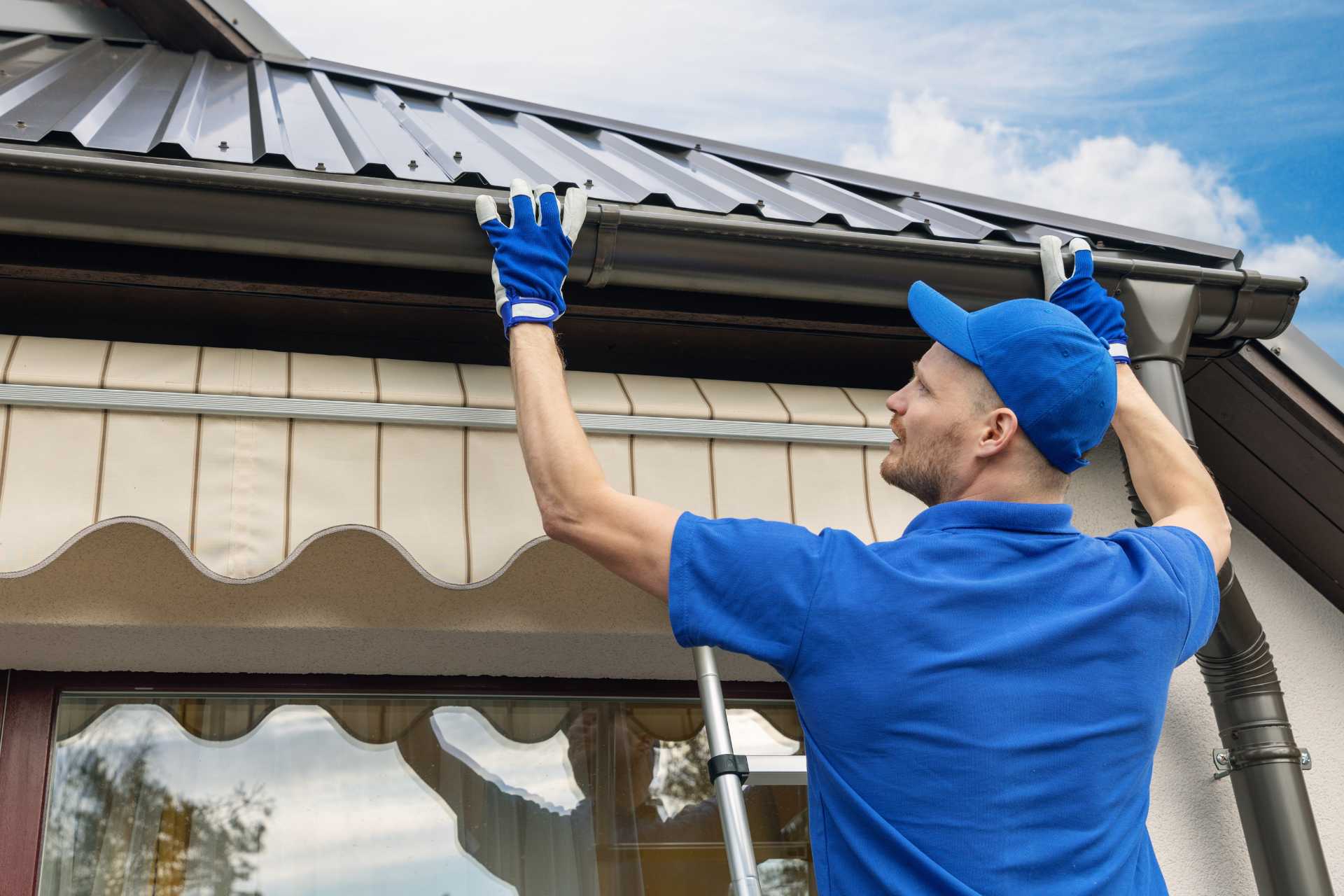
Low-Maintenance Upgrades: Pairing Metal Roofing with Ground-Level Drainage for Total Peace of Mind
For many Canadian homeowners, weekend free time is precious. The idea of spending crisp autumn Saturdays balancing precariously on ladders to scoop rotten leaves out of eavestroughs, or spending spring thaw afternoons desperately sandbagging driveway puddles, is quickly losing its appeal. Modern exterior renovation trends lean heavily toward resilience, longevity, and above all, low maintenance. Homeowners want protective systems that perform flawlessly under harsh weather conditions without demanding constant hands-on effort or expensive emergency fixes.
Achieving a truly worry-free building envelope requires looking at your home as an interconnected ecosystem. Installing high-performance metal roofing solves half the equation by creating a durable, non-porous upper shield that resists wind, ice, and thermal degradation. However, because metal panels shed rainwater and melting snowpack so rapidly, that heavy volume of water travels straight down to ground level in seconds. To complete your home’s defence system, pairing your roof with regular catch basin cleaning ensures that high-speed surface runoff discharges safely into storm drains rather than pooling against your foundation footings.
Why Metal Roofing Changes the Drainage Equation
Traditional asphalt shingle roofs act like heavy sponges during rainstorms. They hold onto moisture, retain heat, and slowly shed small stone granules into your eavestroughs as they age over time. Over a decade, these loose mineral granules accumulate inside gutters and downspout elbows, forming heavy, cement-like sludge that chokes water flow and causes eavestroughs to pull away from fascia boards.
Metal roofing completely changes this dynamic. Engineered from high-grade steel or aluminum with durable protective coatings, metal panels feature ultra-smooth, non-porous surfaces that never shed granules or degrade into organic debris.
1. Rapid Water Shedding
Rainwater slides off metal panels almost instantly. During intense Canadian summer downpours, a metal roof channels vast volumes of water into your gutters much faster than an asphalt roof would. While this prevents standing water or leaks on your roof deck, it puts immediate, heavy demands on your downspouts and ground-level drainage outlets.
2. Sudden Winter Snow Avalanche Effects
In winter, metal roofs release heavy snowpack quickly during thaws. Instead of melting gradually over several weeks, snow and ice sheets slide smoothly off the roof in large, sudden avalanches. When hundreds of pounds of slush hit the ground at once, that frozen volume melts rapidly along driveways, patios, and garden beds.
3. Zero Granule Pollution
Because metal roofs do not produce petroleum grit or mineral granules, your eavestroughs remain noticeably cleaner. However, this high-velocity water carries lawn dirt, fallen tree leaves, and windblown dust straight down into your ground-level drains.
The Ground-Level Safety Valve: The Role of Catch Basins
When your metal roof efficiently channels hundreds of gallons of rainwater and melted snowpack down your walls, that water needs a clear, high-capacity exit route. This is precisely where driveway and patio catch basins perform their critical job.
A catch basin is an underground box covered by a heavy-duty grate, situated at the lowest point of your paved driveway, yard, or patio. Its internal design is brilliant in its simplicity: as stormwater flows into the grate, heavy solids—such as garden dirt, small pebbles, leaves, and trash—settle to the bottom of an internal sump chamber. Meanwhile, clean, clear water rises to the top and escapes through an outlet pipe connected to municipal storm sewers or private drainage lines.
However, even the most robust catch basin has a limited storage capacity. Over months of wind, rain, and winter runoff, that lower sump chamber slowly fills up with compacted organic mud. If you neglect to clean out this accumulated sludge, the internal outlet pipe becomes completely blocked.
When a catch basin fails, the fast-moving water rushing off your metal roof has nowhere to go. It backs up over the grate, flooding across your driveway, soaking surrounding soil, and applying immense hydrostatic pressure against your basement walls.
The Synergy: How Metal Roofs and Catch Basins Work Together
Combining an advanced metal roof with a clean ground-level catch basin creates a perfectly balanced exterior water management pipeline. Each component plays to the other’s strengths, eliminating the weak points commonly found in traditional home drainage systems.
When high-velocity runoff leaves your metal roof, it flows through your eavestroughs without being slowed down by shingle grit or heavy leaf dams. That water then enters your driveway catch basin, where the clean sump easily accepts the sudden surge of volume and channels it away from your property before ground pooling can ever occur.
Comparison: Traditional vs. Modern Drainage Synergy
| Feature | Traditional Asphalt + Standard Gutters | Modern Metal Roof + Clean Catch Basin |
|
Lifespan
|
15–20 years (requires frequent shingle repairs) | 50+ years (virtually maintenance-free top) |
|
Gutter Impact
|
Constant grit buildup; prone to rot and sagging | Clean flow; zero mineral granule shedding |
|
Water Speed
|
Slow, absorbed flow (risk of ice dams) | High-speed, instant shedding off panels |
|
Ground Vulnerability
|
Water pools around foundation walls | Water directed cleanly into storm sewer |
|
Annual Effort
|
Frequent gutter cleaning; shingle replacement | Annual catch basin vacuuming; zero roof repairs |
Simple Maintenance Schedule for Ultimate Peace of Mind
The best part about this integrated upgrade is how little effort it requires to maintain. You no longer need to spend every month inspecting damaged shingles or scraping out heavy gutter sludge. Instead, follow this simple, twice-a-year maintenance routine to keep your system performing flawlessly:
1. Spring Post-Thaw Check (April/May)
- Visual Roof Sweep: Look up from ground level to ensure snow clips and flashings are intact after the winter thaw.
- Flush Downspout Outlets: Verify that winter ice has cleared from downspout boots discharging near your driveway.
- Vacuum Catch Basin Sump: Have a professional clear out winter sand, salt, and mud that accumulated in the underground sump chamber during spring melt.
2. Autumn Storm Prep (October/November)
- Gutter Clearance: Do a quick check of eavestrough outlets to remove any stray autumn leaves swept off nearby trees.
- Grate Cleaning: Clear fallen leaves sitting on top of your driveway catch basin grate so heavy autumn rains can drain freely.
- Inspect Basin Interior: Ensure the outlet pipe inside the catch basin sits well above the accumulated sediment level before winter freezing begins.
Investing in Long-Term Structural Peace of Mind
Your home is likely your largest financial asset, and protecting it from water damage should not feel like a full-time job. Upgrading to a modern metal roof eliminates the chronic maintenance cycle of short-lived asphalt shingles, while protecting your attic and framing from water intrusion for over half a century.
Pairing that high-performance roof with regular catch basin cleaning completes the circuit, giving the massive volume of shedding water a safe, reliable escape route away from your foundation. By taking a holistic approach to your property’s exterior drainage, you safeguard your basement, protect your driveway from frost damage, and enjoy complete peace of mind through every season Canadian weather throws your way.