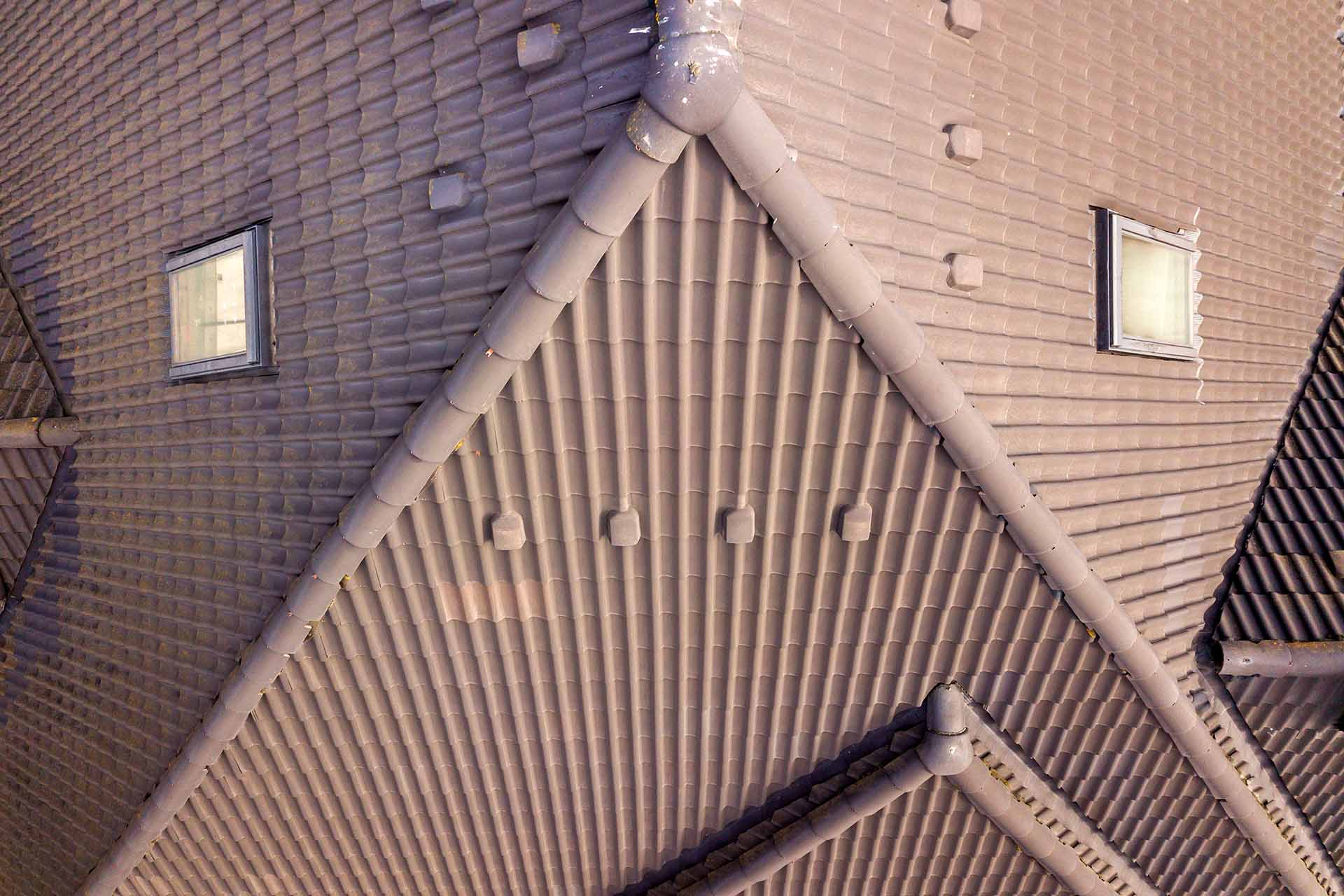

5 Signs Your Roof Needs To Be Replaced
Whether it was damaged by harsh weather conditions or has simply grown too old, roofs are bound to be replaced sooner or later. Although you can just repair your roof for most situations, sometimes it is best to replace the whole thing to save both time and money. Unlike replacing furniture and home appliances, it may be difficult to know when and why you need to fix up and change your roof. That being said, here are 5 signs that your roof needs to be replaced.
Age of Your Roof
One of the more noticable indicators that your roof needs to be replaced is if it is becoming old. A roof's typical lifespan is 20-30 years, depending on how frequently it is repaired. However, regardless if it is in good shape and has been maintained over the years, a roof that has not been replaced in the past 30 years is more prone to damages and puts you and your family at risk. If you are having trouble assessing the age of your roof and if it needs changing, it is recommended to contact a reputable professional roofer for an inspection.
Missing/Curling Shingles
If you have an asphalt roof, it is essential that you inspect your shingles on a regular basis throughout the year, especially after severe weather. This increases your chances of detecting missing or damaged singles before they become a more challenging issue to manage. For example, when checking the gutters and downspouts on the top of your home, you may detect granules from your roof's shingles, which are signs that you should replace your roof. Even though these types of damages may be repaired, if there are many to fix, it would be more time and cost effective to just replace the entire roof.
Daylight Shining
One way to check up on your roof without having to actually go on top of it is by visiting your attic. If you go up there and notice any daylight shining through the decking, you will need to replace your roof as soon as possible because if you don’t, you are bound to experience even worse problems. For example, if your area experiences any type of storm, it is more than likely for water and heat to leak through these cracks, causing your home to experience severe destruction.
Water Damage
Although leakage through your roof can be repaired, damages like dark stains and streaky lines or patches of green, calls for a roofing replacement. These spots and dark streaks are caused by mold, fungus or moisture build up, which can negatively affect the structure of your roof. Furthermore, regardless of the size, these types of water damages need to be addressed with more caution because moisture build up not only affects your house, but can potentially affect your health as well.
Flashing
Flashing is an important component of your roof. Flashing is a curved sheet metal that is placed in the intersections of roof slopes, as well as around any openings in the roof, such as chimneys and vents. The flashing gathers and directs intense flows of water to the gutters of your roof. Flashing around chimneys and other openings assists in preventing water from infiltrating the roof in any vulnerable region. If your flashing is old, rusted, or has holes, it may be approaching the end of its life cycle. Although flashing may be fixed without replacing the entire roof, if you believe that the flashing has experienced extreme damage, it would be better to completely replace the roof.
Even though roofing replacements are a common investment that all homeowners make, it is difficult at times to truly know when it is time to change a roof. Some indicators that will help you know that your roof has officially reached its end are ageing, missing or damaged shingles, daylight shining, water damages and the condition of the flashing of your roof. By looking out for these signs, you are more than likely to know when and why your roof needs replacing.

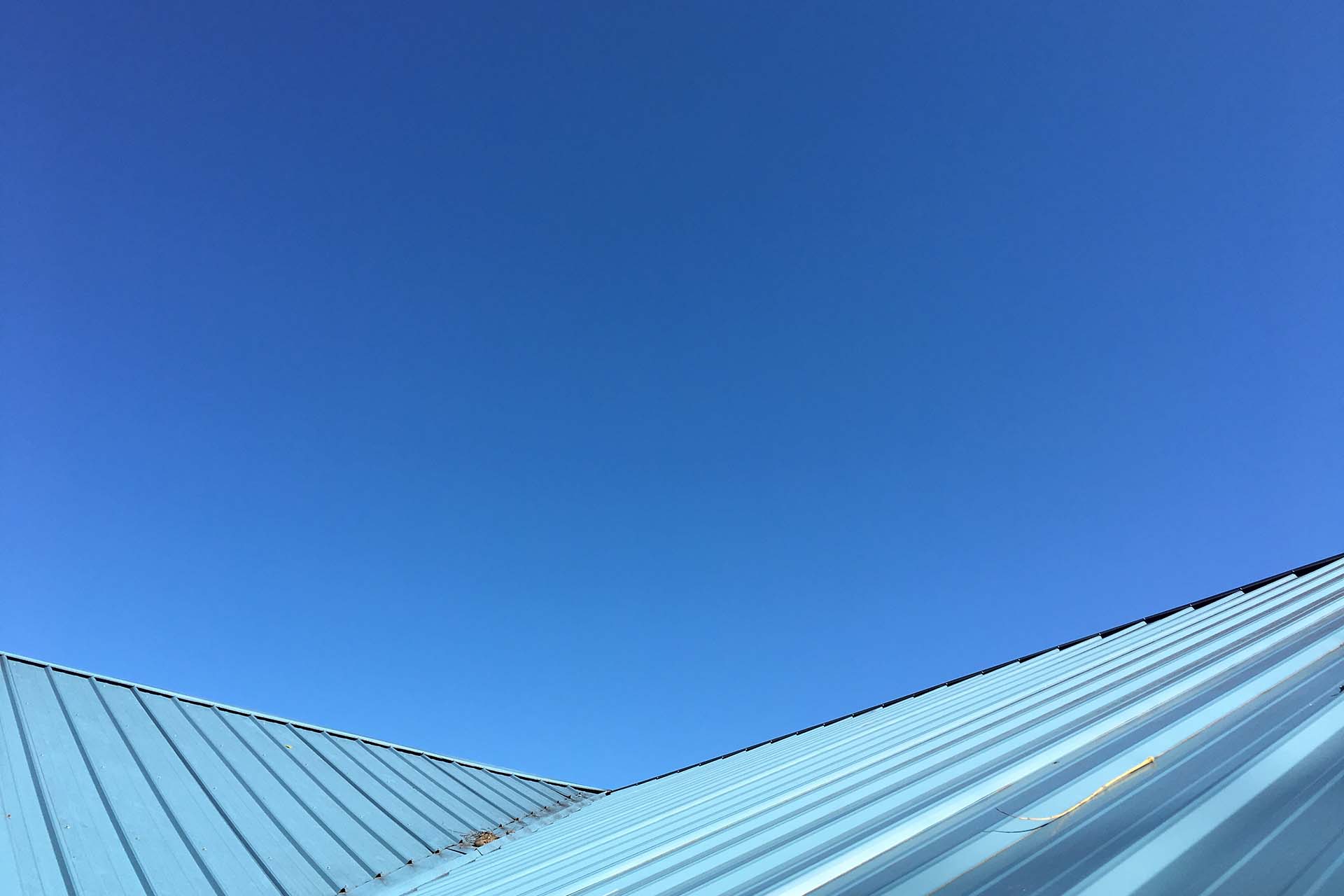
5 Ways Metal Roofing Protects Your Home
The importance of a roof cannot be downplayed when talking about the safety of the home and the comfort of residents. Given this, there are different types of roofing, with each providing different degrees of protection, comfort and cost-efficiency.
Metal roofing is one of the most common types of roofing for residential properties. You may wish to know how metal roofing will protect your home before choosing to replace your existing roof. Do not worry; here are 5 ways metal roofing protects your home:
1. Protection Against Strong Wind
Metal roofing is strong and durable and can withstand different degrees of wind. Extreme windy conditions usually pose great threats for homes with asphalt or shingles roofing. Strong winds can slip under tile shingles, rip and blow them away. You do not have to worry about metal roofing since it can withstand even hurricane-force winds. Your home is assuredly protected.
2. Protection From Extreme Temperatures
With the world experiencing harsh weather conditions due to climate change, you need the right roofing that can stand up to extreme temperatures. Whether there is sweltering heat or freezing temperatures, metal roofing offers adequate protection without any fear of failure.
Metal roofing reflects heat, unlike wood, tile and asphalt that absorb heat. As a result, you can have a cool temperature inside the entire home despite the scorching temperature outdoors. Also, ice and snowmelt slide off faster from metal roofing than other types of roofing, which protects you from extremely cold temperatures.
3. Protection Against Leaks
Water damage is one of the horrific nightmares homeowners dread. Leaking roofs can cause significant damages to the insulation, walls and properties of the house. They can also cause mold and mildew growth, resulting in poor health over time. However, metal roofing prevents leaks because of the overlapping seams that keep more water out of the home during a hurricane and also protect the panel from being blown away.
4. Protection Against Storms
During critical storms, you can trust metal roofing to protect your home. Whether there is torrential downpour or storm, you have nothing to worry about regarding the safety of your home. Unlike tile shingles that will lose some of their pieces during storms or get compromised significantly, metal roofing is durable and strong, offering high wind and storm resistance.
5. Protection Against Fire
Metal roofing offers fire resistance and prevention. Metal roofing can prevent a fire accident resulting from electric lines being tossed around or snapped by storms due to high resistance from fire. Besides, metal roofing can slow down the spread of fire unlike typical shingles or wooden roofs. With metal roofing, you also get to enjoy lower insurance costs due to its ability to resist fire.
Takeaway
From the above, metal roofing can protect your home in various ways. As a result, if you are looking for the best roofing material to replace your existing roof, consider metal roofing to experience the protection it offers, as explained above.

What Should You Know Before Replacing Your Roof?
There is no question about whether roof replacement is necessary or not - a home without a roof is deemed incomplete. But when the damage is beyond what a roof repair can cover, it is almost expected that a replacement roof is in order. When things like the roof material, color, and aesthetic details are out of the question, there are other essential things you need to know before replacing your roof. Here are a few to guide your roof replacement project.
1. Long Term Investment
From the quality of your roofing system to a flawless installation, these are the things that increase your property value, but they may stretch your budget at first. So while you may hear prices and quotations that make you want to run the other way from, remember that with the right roof, you are getting an average lifespan of 20 years, which is an excellent return on investment with great property value.
2. Function before aesthetics, but aesthetics are important.
Roof repair may be enough to fix your roof’s damages one last time, but after years of replacing and repairing bits after bits, the aesthetics of your roof may be completely lost. You also need to remember that your roof is an essential aesthetic feature of your home as it adds to your curb appeal, which can affect your property value. Don’t wait till all the function of your roof is lost before you replace it.
3. Schedule of Installation
The manpower required to install a roof is in the higher hours range, and most roofing contractors use a team to get the job done faster. Confirm the schedule for installation before proceeding with the replacement to know if it fits with your schedule, so you can supervise and stuff like that.
4. Manufacturer Warranty
While looking for the right roofing material for your new roof, you need to be particular about the manufacturer's warranty on the materials. A standard roof material should be long-lasting but, if there is a warranty, you rest assured that any damages within the warranty period will not be an additional expense to you. The warranty is typically associated with the estimated lifespan of the roofing material so be on the lookout for the best deal you can get from a manufacturer.
5. Contractor’s Warranty/ Insurance
A manufacturer’s warranty covers the materials only, but a contractor’s warranty may cover both materials and the installation. You can find a roofing contractor who offers materials-inclusive insurance coverage, which covers exactly what you need for your roof replacement.
Replacing your roof is important but the process should not be rushed. Take your time to consider all aspects and decisions before replacing your roof. Hire a professional and experienced roofing company to handle your roof replacement project.
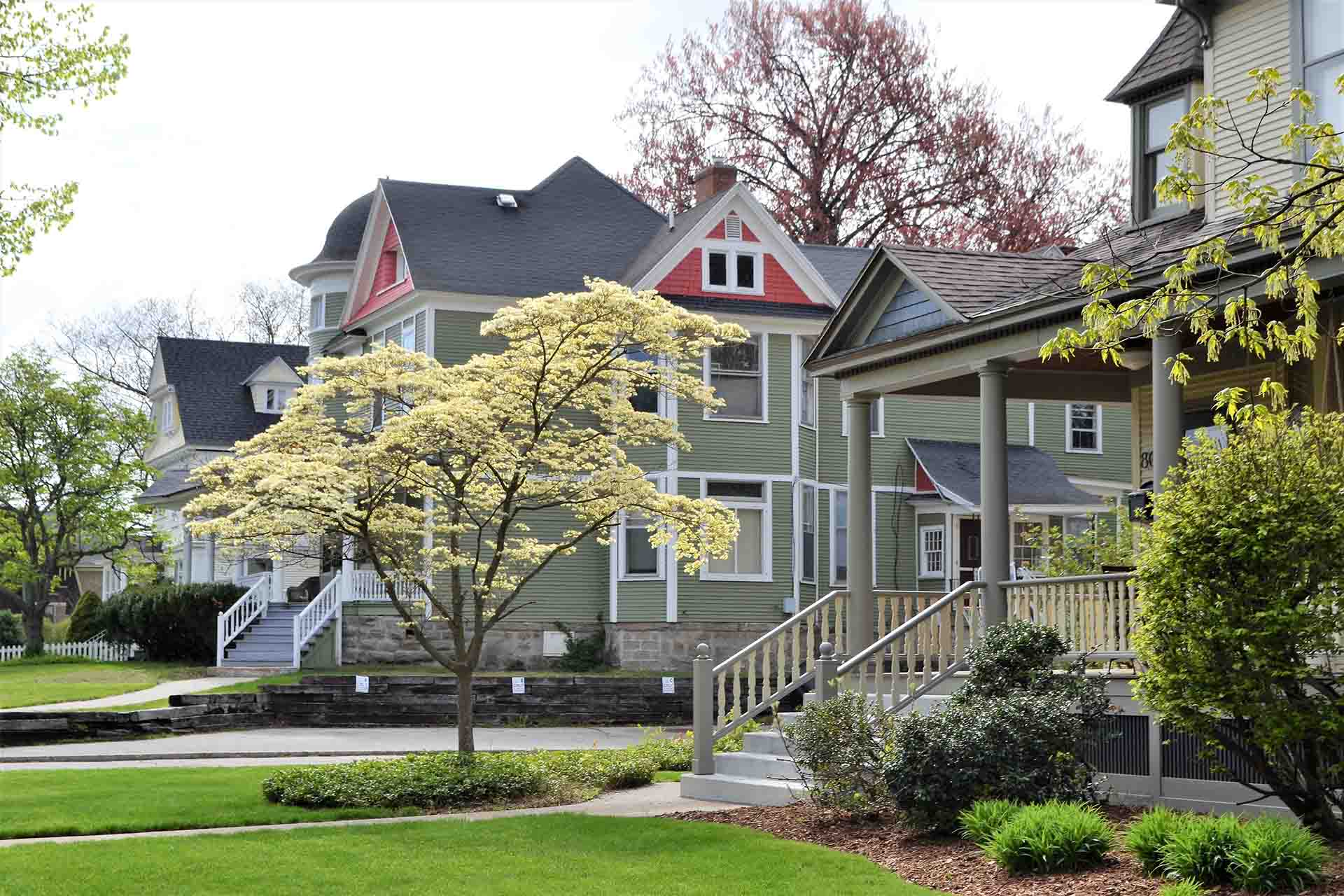

5 Important Tips To Prepare For A Home Roof Replacement
Getting ready for a roof replacement is a big step toward protecting your home, improving energy efficiency, and boosting curb appeal. But to make the most of this important renovation, it’s helpful to know what to expect and how to prepare. Whether you're working with a contractor for the first time or it's been years since your last upgrade, there are a few things you should know before replacing your roof to make the process smoother and more successful.
Here are five key tips to help you prepare for your upcoming roofing project:
1. Understand the Scope of Work
Before your roofing project begins, take the time to review the full scope of work with your contractor. Ask about the timeline, materials, removal process, and any potential disruptions to your daily routine. Understanding what’s included in the quote—such as disposal of old materials or weather-related delays—can help set clear expectations and avoid surprises.
2. Protect the Interior and Exterior of Your Home
Roofing projects can create vibrations throughout your home, so it’s a good idea to secure fragile items on walls or shelves. On the outside, move patio furniture, potted plants, or vehicles away from the work area. Don’t forget to cover items in the attic, as dust and debris can filter through during the removal of old shingles.
3. Notify the Neighbours
Replacing a roof can be noisy and involve heavy equipment. Giving your neighbours a heads-up is a considerate move that can help maintain good relationships. Let them know the general timeline and reassure them that you’re working with a professional team that values cleanliness and efficiency.
4. Plan for Accessibility
Roofers will need space for materials, tools, and waste disposal bins. Ensure your driveway is clear and that gates or access points to the yard are unlocked. If your home includes a detached garage or has limited space out front, discuss logistics with your roofing contractor ahead of time.
This is also a good opportunity to take stock of other exterior elements that may need attention. For example, if your roof is getting a refresh, it may be worth thinking about garage door replacement at the same time. A modern garage door that complements your new roof can significantly enhance your home's curb appeal and create a more cohesive look.
5. Confirm the Details
Before any work begins, double-check that all details are finalized in writing—including materials, payment schedule, warranty information, and cleanup expectations. A reliable contractor will walk you through each part of the agreement and answer any last-minute questions you may have.
A roof replacement is a major home improvement that offers long-term benefits—but it goes much more smoothly when you’re prepared. By understanding the process, protecting your space, and coordinating logistics ahead of time, you can help ensure an stress-free experience. Keep in mind the things you should know before replacing your roof, and consider how related exterior upgrades can help you get the most value out of your project.