
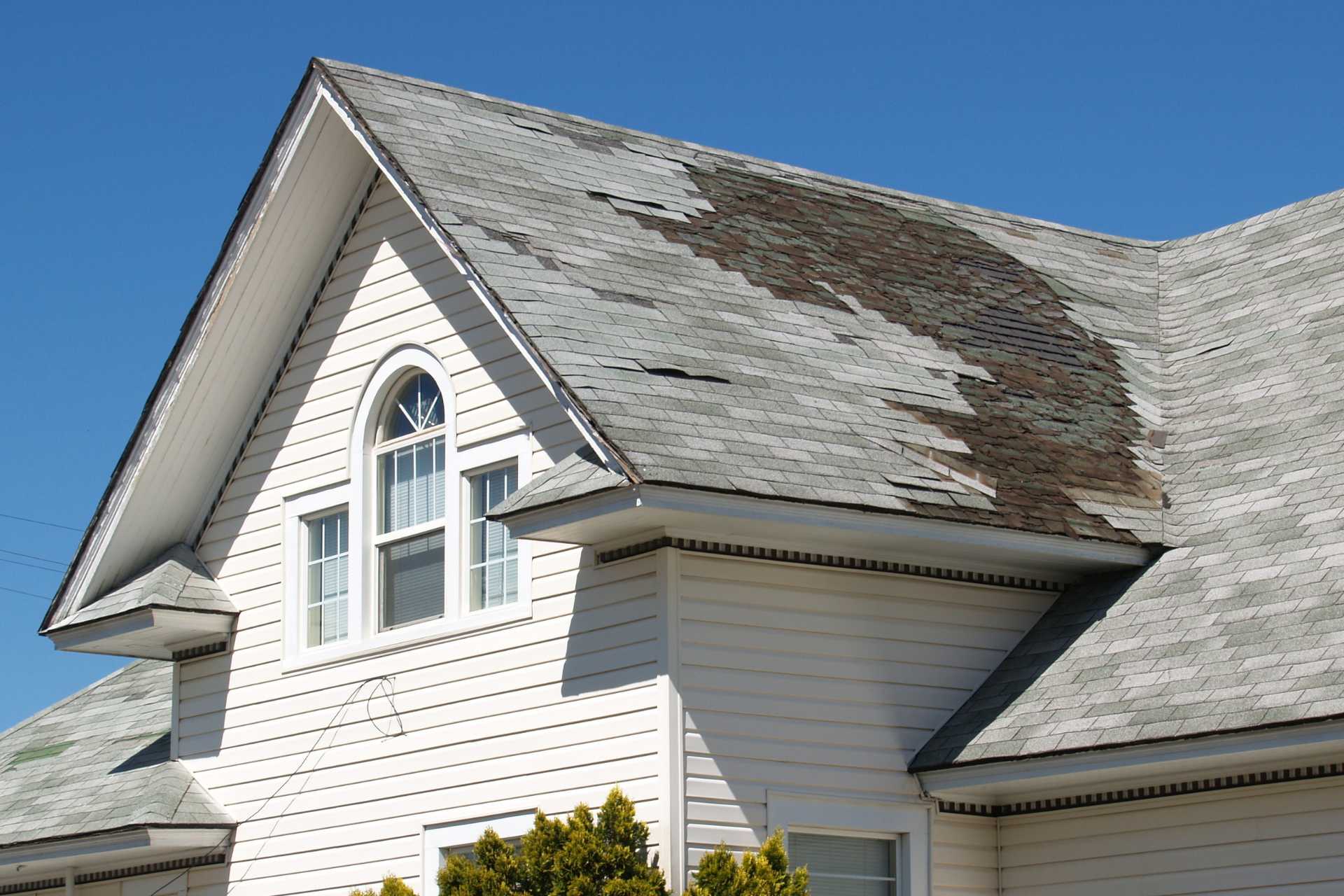
The "15% Discount": Why Bad Roofs Shrink Your Selling Price
In the Canadian real estate market of 2026, a home's exterior condition serves as a primary indicator of its internal health. When a potential buyer views a property with visible roof damage, they rarely see a simple repair project. Instead, they perceive a significant financial liability and a looming construction headache. Any experienced real estate agent will confirm bad roofs are one of the most aggressive "value killers" in a transaction. Buyers often mentally deduct far more than the actual cost of a replacement to account for the perceived risk of hidden water damage.
For a seller, ignoring a roof in poor condition is rarely a cost-saving measure. While a high-quality installation from a reputable roofing company requires an upfront investment, it protects the home's total equity. Homes with curling shingles, moss growth, or missing tabs often sell for 10% to 15% less than comparable properties in good repair. This "neglect tax" can easily exceed the cost of a new roof. A pre-listing replacement is one of the most strategic financial moves a homeowner can make to ensure they receive top market value.
The Psychology of the "Hassle Tax"
Buyers in 2026 are looking for move-in-ready homes. High interest rates and rising living costs leave little appetite for major renovations immediately after closing. When a buyer encounters a roof that needs work, they apply what professionals call a "hassle tax." This is an emotional and financial buffer added to their offer. It compensates for the stress of managing a construction project during a move.
If a professional quote for a new roof is $15,000, a buyer may demand a $25,000 price reduction. They factor in the time taken off work and the potential mess in the yard. They also fear that a leak has already compromised the attic insulation. By addressing the roof before the house hits the market, a seller removes this psychological barrier. It shifts the narrative from "this house is a project" to "this house is a turnkey investment." The peace of mind offered by a new roof allows buyers to bid with confidence.
Appraisal Gaps and Financing Hurdles
A bad roof does more than just lower the offer price. It can stall the entire legal transfer of the property. In 2026, Canadian appraisers are increasingly strict about "remaining useful life." If a roof is determined to be at the end of its functional lifespan, an appraiser may value the home significantly lower than the agreed-upon contract price. This creates an "appraisal gap" that the buyer must cover in cash.
Furthermore, many lenders now refuse to fund mortgages for homes with roofs that have less than two or three years of life remaining. If a buyer cannot secure a mortgage because of the roof's condition, the deal will collapse. Sellers often find themselves back at square one. They are left with a "stigmatized" listing that has been sitting on the market. Ensuring the roof is in top condition is a mandatory step to guarantee that the buyer's financing remains secure. It protects the seller from the volatility of a falling deal.
The Risk of Predatory Low-Ball Offers
A house with a visible "red flag," like a failing roof, attracts a specific type of buyer. This is often an investor looking for a bargain. When a roof looks neglected, traditional families often walk away. This leaves only "bottom-fishers" who specialize in purchasing distressed properties. These buyers use the roof as a primary lever to drive the price down even further than the 15% average.
A clean, high-quality roof signals that the owner has been a responsible steward of the property. It attracts the "highest and best" offers from buyers who are willing to pay a premium for a well-maintained home. In a competitive market, multiple families bidding against each other is the ideal scenario. You do not want a single investor trying to capitalize on your deferred maintenance. A new roof is the ultimate signal of quality that keeps the "low-ballers" at bay. It forces buyers to compete on the merits of the home's beauty and location rather than its flaws.
Secondary Damage: The Hidden Value Erosion
A failing roof is rarely an isolated problem. By the time shingles are visibly curling, water has often begun to penetrate the secondary barriers. This leads to saturated insulation, rotted roof decking, and mould growth in the attic. These are "latent defects" that a home inspector will inevitably find. Once mould is mentioned in an inspection report, the home's value can plummet. The costs of remediation are often much higher than the cost of the roof itself.
Fixing the roof before these secondary issues occur preserves the home's core value. It prevents a small repair from turning into a massive structural remediation project. Sellers who wait until they are under contract to address roof issues often find themselves at a disadvantage. They are forced to pay for both the roof and the resulting interior damage just to keep the deal alive. This reactive approach is almost always more expensive than proactive maintenance. Protecting the attic space is synonymous with protecting the home's equity.
Insurance Ineligibility: The New "Deal-Killer"
In 2026, the insurance market has become a major gatekeeper in real estate. Many Canadian insurers will now refuse to issue new policies on homes with asphalt shingle roofs older than 15 years. Because a buyer cannot get a mortgage without home insurance, an old roof makes the home "un-mortgageable" for the average person. This is a cold reality that many sellers do not realize until it is too late.
This shift has made roof condition a non-negotiable factor in many sales. If the roof is too old, the buyer pool shrinks to cash-only purchasers. These buyers naturally demand a steeper discount. Proactively replacing a roof ensures the home is "insurable." This opens the door to the largest possible pool of buyers. High demand is what ultimately drives the final sale price to its highest potential. In the current market, insurability is just as important as curb appeal.
The "New Roof" Marketing Advantage
In a sea of listings, a new roof is a powerful marketing tool. It allows a real estate agent to use keywords like "worry-free," "upgraded," and "fully renovated exterior." These phrases catch the eye of buyers who have been exhausted by bidding wars on homes that require immediate work. A new roof stands out in the "Property Features" section as a clear financial benefit. It is one of the few upgrades that offers a 1:1 psychological return.
Beyond the text, the visual impact is undeniable. The roof accounts for up to 40% of a home's visible exterior. A fresh set of architectural shingles or a sleek metal roof dramatically improves the "curb appeal" in listing photos. High-resolution drone photography is standard in 2026. If the roof looks stained or patchy from above, buyers may never even book a viewing. A quality roof makes the entire house look newer and better maintained.
Protecting Your Greatest Asset
The roof is the most important structural element of a home’s exterior. In 2026, its condition is a direct reflection of the property's overall worth. While it is tempting to list a home "as-is" to avoid the cost of a replacement, the financial data suggests this is a mistake. A bad roof invites low offers, appraisal issues, and insurance hurdles that can cost a seller tens of thousands of dollars in lost equity.
By investing in a quality roof before listing, you are not just buying shingles; you are buying a smoother transaction. You protect yourself from the "15% discount" and ensure that your home stands out as a premium, worry-free option. Cautious buyers in today's market will pay for security. Start at the top to ensure your home equity stays right where it belongs. A strong roof is the foundation of a successful sale.
