
Best Roofing Materials for Custom Homes in Canada
Canadian climates place extreme demands on a home’s exterior. From relentless winter snow loads and damaging freeze-thaw cycles to heavy coastal rain and high winds, the roofing system is the primary shield protecting the entire structure. For custom home builder projects, the roofing choice moves beyond simple functionality; it requires a sophisticated balance of high-performance engineering and architectural design, especially given the unique design elements often featured in custom properties. The decision is a major financial one, affecting energy efficiency, long-term maintenance costs, and eventual resale value. Therefore, the roofing company selected for the installation must possess specialized knowledge to match the ideal material to the home's specific microclimate and structural design, ensuring the final selection performs reliably and maintains the home's intended visual appeal for decades.
Key Factors to Consider
Climate Resilience, Longevity, and Maintenance
In Canada, climate resilience forms the non-negotiable foundation of any roofing choice. The chosen material must be able to withstand heavy, sustained snow loads without structural compromise and effectively resist the mechanisms that lead to destructive ice dams. Ice dams form when attic heat melts snow, which then refreezes at the cold eaves, often damaging crucial roof flashing in the process. High wind resistance is equally paramount, particularly for properties in exposed regions, preventing shingles or panels from lifting and exposing the underlayment. The correct material choice, installed by a professional, prevents costly mid-season emergencies and ensures the material meets its expected lifespan.
The relationship between longevity and maintenance determines the true long-term cost of ownership. Some materials, like architectural asphalt shingles, offer a lower upfront cost but require shorter replacement cycles (15–30 years) and periodic spot maintenance. Conversely, premium options like slate or metal demand a much higher initial investment but offer vastly extended lifespans—up to 70 or 100 years—with minimal annual upkeep. The homeowner must strategically weigh the initial capital cost against the desire to minimize future maintenance hassles, deciding whether they prefer to pay more now for the "last roof they will ever buy."
Energy Efficiency, Aesthetic Appeal, and Budget
The energy performance of the roof directly impacts the home's overall heating and cooling bills. While proper attic insulation does the heavy lifting, the roof material itself plays a crucial supporting role. Lighter-coloured and reflective materials, such as specific types of metal or synthetic slate, minimize solar heat gain during hot summers. This reduced absorption significantly lowers the home's cooling load. In the winter, the material and underlying vapour barrier prevent unwanted air leakage, ensuring heated air stays within the living space. Choosing a high-performing material enhances the home's thermal envelope and contributes to its long-term operational savings.
For a custom home, the roof is also a significant design element, not just a practical necessity. The material and style must align perfectly with the architectural vision of the custom home builder. A mismatch between the roof and the home's architectural language can undermine the entire design, making the property look disjointed and negatively impacting its perceived quality. Finally, budget decisions must account for the upfront cost versus the long-term savings delivered through efficiency, longevity, and reduced maintenance. Homeowners should utilize cost comparisons, examining material, lifespan, and installed cost per square foot, to make a financially sound choice where systems are designed to last for decades.
Top Roofing Materials for Canadian Custom Homes
Asphalt Shingles
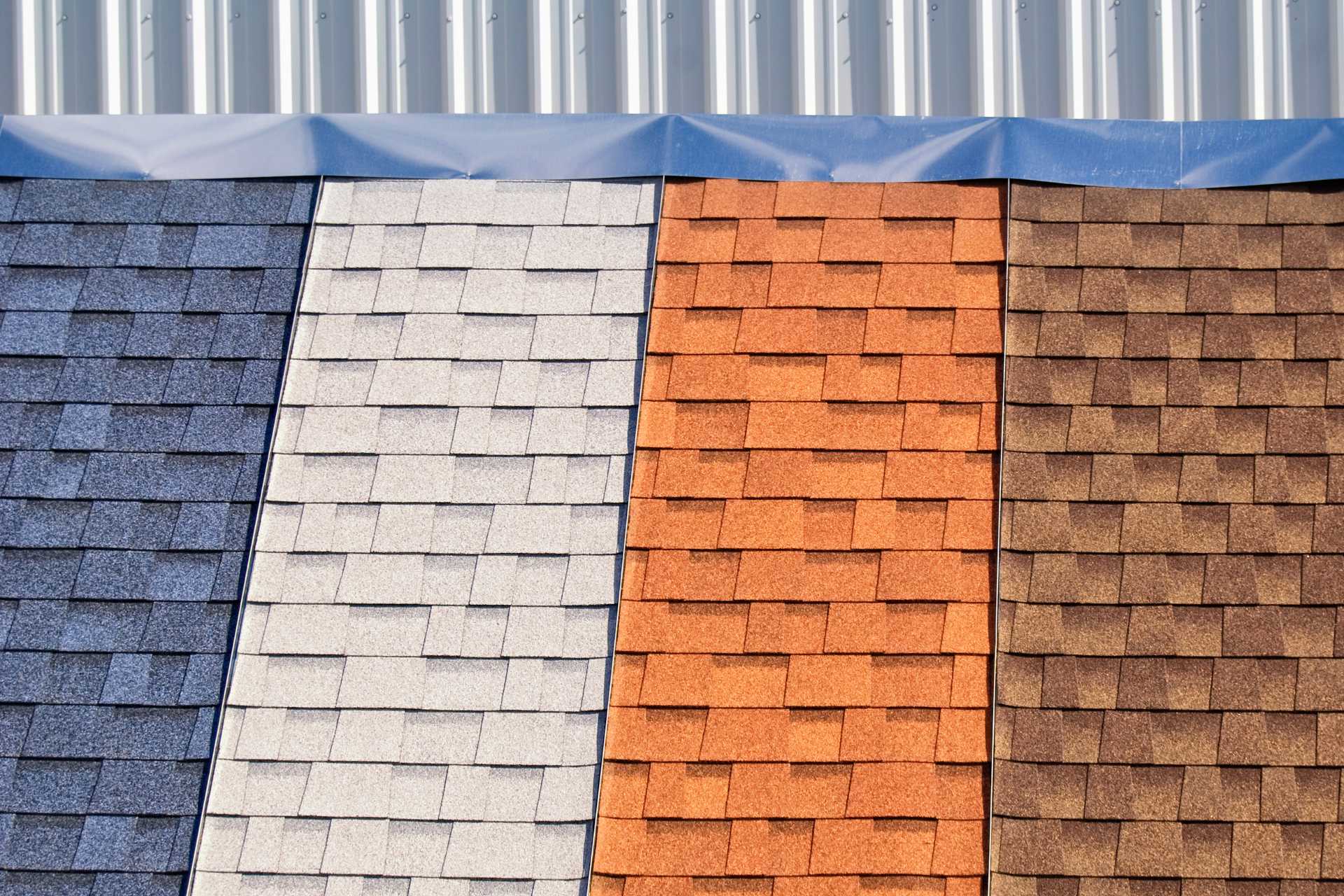
Asphalt shingles remain the most common roofing choice due to their versatility and affordability. They provide a reliable baseline defence against general Canadian weather and are widely available, making repairs simple and cost-effective. Their lifespan typically ranges from 15 to 30 years, depending on the shingle grade (three-tab versus architectural). While they offer good performance in most climates, their granular surface is prone to gradual wear from freeze-thaw cycles and UV exposure, necessitating periodic repair and a shorter replacement cycle compared to other options.
Their shorter life cycle means they are highly susceptible to granule loss and becoming brittle, which often leads to failure at vulnerable points like valleys and the edges of roof flashing. Because they have a lower lifespan, the homeowner must budget for replacement two or three times over the life of the home. This initial affordability must be balanced against the cumulative replacement costs and the inherent vulnerability they possess during severe winter storms.
Metal Roofing
Metal roofing provides exceptional durability and energy efficiency, making it highly suitable for Canadian conditions. Its smooth, hard surface excels at snow-shedding, which is ideal for northern or snowy regions and actively helps mitigate the formation of ice dams. Metal is highly resilient against high winds and resists fire, offering a lifespan that frequently exceeds 40 to 70 years with minimal maintenance. The seamless panel systems minimize leak potential, as they rely less on external sealants than shingles.
While the upfront cost is higher, the material's longevity and performance benefits often provide a superior return on investment. The design of metal systems, such as standing seam, requires careful installation of roof flashing to allow for thermal movement, a detail the roofing company must execute perfectly. This system acts as a reflective barrier, significantly reducing solar heat transfer into the attic, which contributes to lower cooling costs during the summer.
Cedar Shakes and Shingles
Cedar shakes and shingles offer a natural, rustic look that is perfect for custom luxury homes in wooded or coastal areas. The natural oils in cedar resist salt air and moisture, making them excellent in coastal climates. They provide good insulation but require more specialized installation and rigorous maintenance, including periodic treatment, to achieve their 20 to 40-year lifespan. This material choice is often driven primarily by aesthetic preference and the desire for a classic, bespoke exterior.
Cedar requires consistent care. Unlike asphalt, cedar is an organic material, susceptible to moss growth, splitting, and insect damage if not maintained. Proper installation includes specialized underlayment and carefully layered roof flashing systems that account for the material's varying thickness. This means both the upfront cost and the ongoing maintenance requirements are high, making it a choice best suited for homeowners dedicated to the material's specific look and upkeep schedule.
Slate Roofing
Slate stands as the premium, most elegant, and extremely durable roofing material available. It is virtually impervious to the elements, boasting a lifespan of 75 to over 100 years. Its natural density and minimal water absorption make it completely resistant to the freeze-thaw cycle and immune to fire and wind damage. Slate offers superior insulation performance due to its thickness.
However, slate is exceptionally heavy and requires robust structural support for the roof deck and framing, which adds significant complexity and cost to the custom home builder design. Its superior longevity justifies the significant upfront expense, positioning the home for multiple generations of ownership. Though initial installation is costly, the fact that a homeowner will never need a roof replacement again is a major financial selling point, mitigating all future labour and material costs.
Synthetic/Composite Roofing
Synthetic and composite roofing materials are gaining popularity as they expertly mimic the aesthetic appeal of expensive slate or wood while being lighter, more affordable, and exceptionally low-maintenance. These engineered materials are highly resistant to weather, moss, and insect damage and typically offer a lifespan of 30 to 50 years. This option provides a durable, stylish choice for homeowners seeking the look of premium materials without the associated cost, weight, or rigorous maintenance requirements.
The consistency of composite materials ensures a uniform appearance that does not fade or split, eliminating a major maintenance headache. Furthermore, their light weight means they can often be installed on existing roof structures without requiring the extensive framing reinforcement needed for slate. The precise, consistent dimensions of composite materials also make the integration of roof flashing and seals simpler and more reliable than with natural, irregular materials.
Regional Considerations
Regional climatic variations are crucial when finalizing a material selection. Coastal Canada, facing high winds and salt air, often benefits from the natural resistance of cedar shakes or durable, corrosion-resistant coated metal roofing. The salt air accelerates corrosion, making galvanized steel or aluminum a must. Conversely, the vast Prairie provinces, where the climate is extremely variable but budgets are often prioritized, frequently choose high-quality architectural asphalt shingles for their reliable performance and affordability in areas prone to hail.
In Northern regions with prolonged cold and heavy snowfall, metal roofing is the clear favourite due to its snow-shedding capabilities and longevity. The speed at which metal clears the roof deck reduces the strain on the structure and minimizes the risk of catastrophic failure. For urban luxury builds in densely populated areas of the GTA, slate or synthetic roofing provides the superior aesthetic and performance desired, matching the high-end finishes of the property. The roofing company must be consulted to ensure the chosen material meets or exceeds the local building codes for wind and snow load specific to that region.
The Last Roof You'll Ever Love: Calculating Resilience
The final choice of roofing material for a custom home is the culmination of careful calculation, blending practical performance metrics with aesthetic ambition. A homeowner must select materials based on a combination of factors: the specific regional climate, the long-term maintenance tolerance, and the overall design vision. The upfront cost should always be weighed against the expected lifespan and energy savings. Choosing the right roofing is the ultimate act of securing the home's integrity. Homeowners are strongly encouraged to consult a specialized roofing company early in the design phase. This ensures the chosen material is not only beautiful but also structurally appropriate and highly resilient, offering decades of worry-free protection.
